123Inspiration
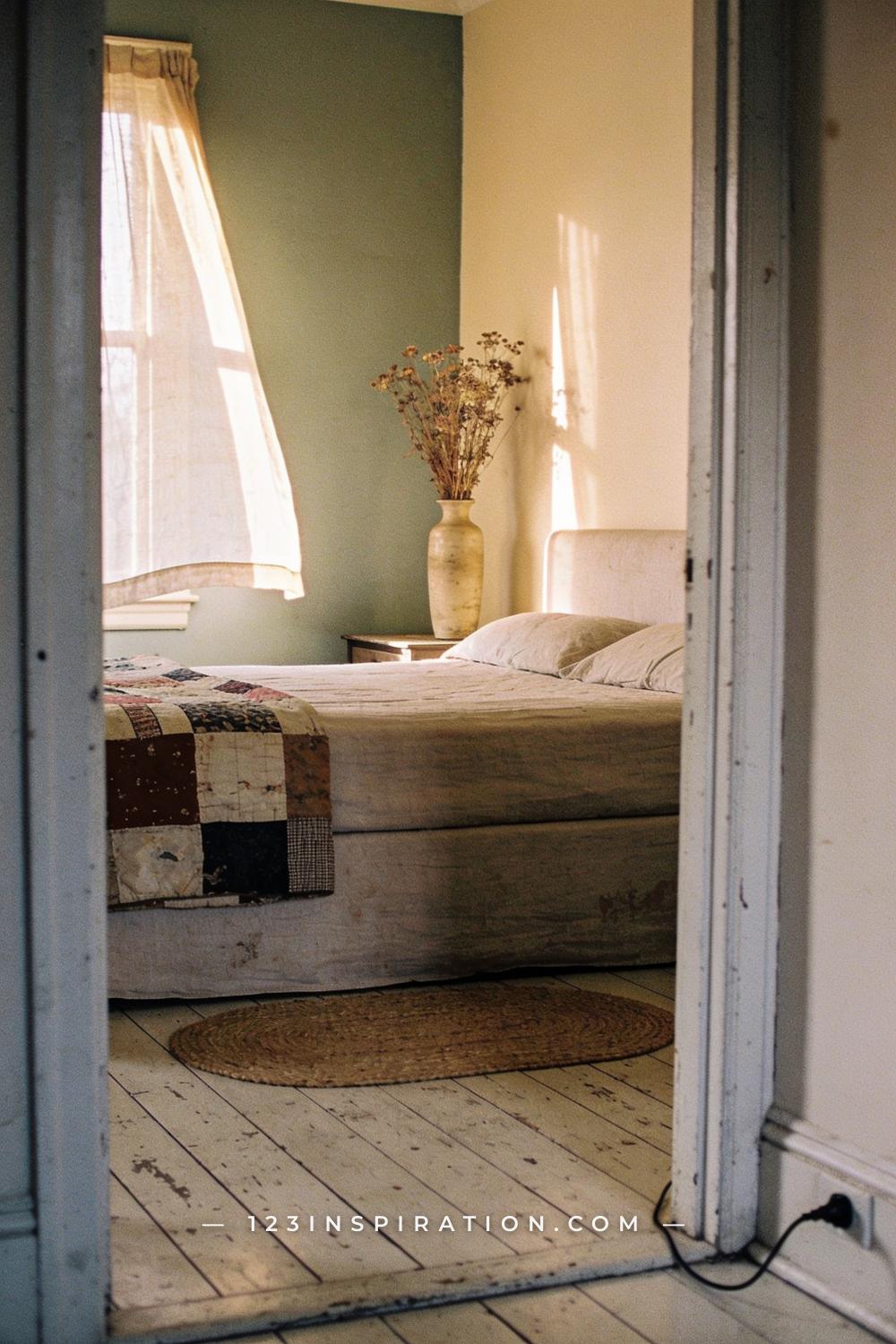
The hardest part of a cottagecore bedroom isn’t finding the pieces — it’s making them feel like they belong together. You save fifty images on Pinterest, buy a linen duvet and a dried floral bundle, and end up staring at a room that looks like a thrift store rather than the warm, layered nest you had in mind. The difference between those two outcomes isn’t more stuff. It’s sequence. Every cozy cottagecore bedroom that looks effortless was actually built in layers — wall foundation first, then bedding, then botanicals, then light. The fifteen ideas below follow that same logic, so you’re not just decorating; you’re building a room that holds together from every angle.
1. Start With a Muted Warm-Cream Wall Color
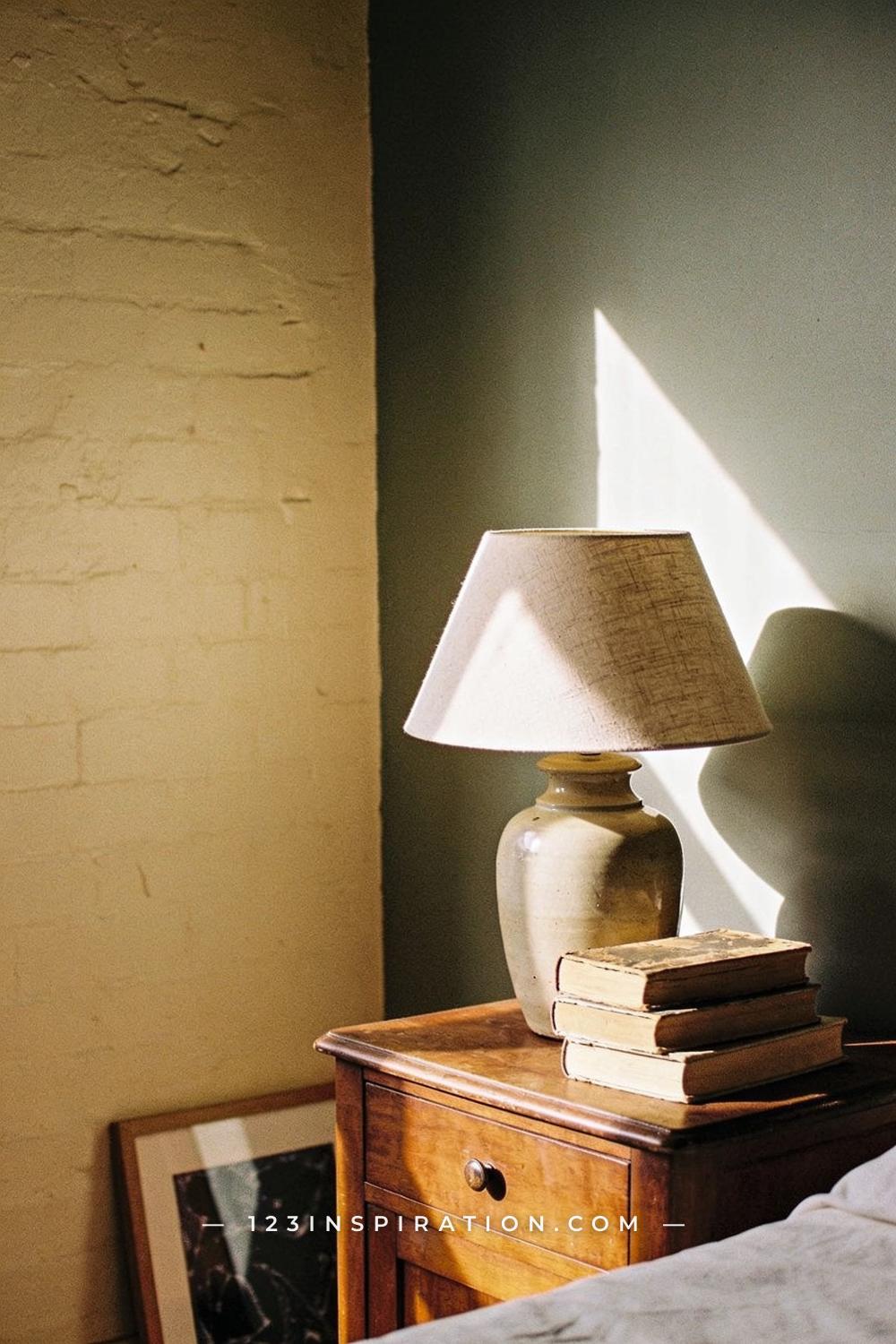
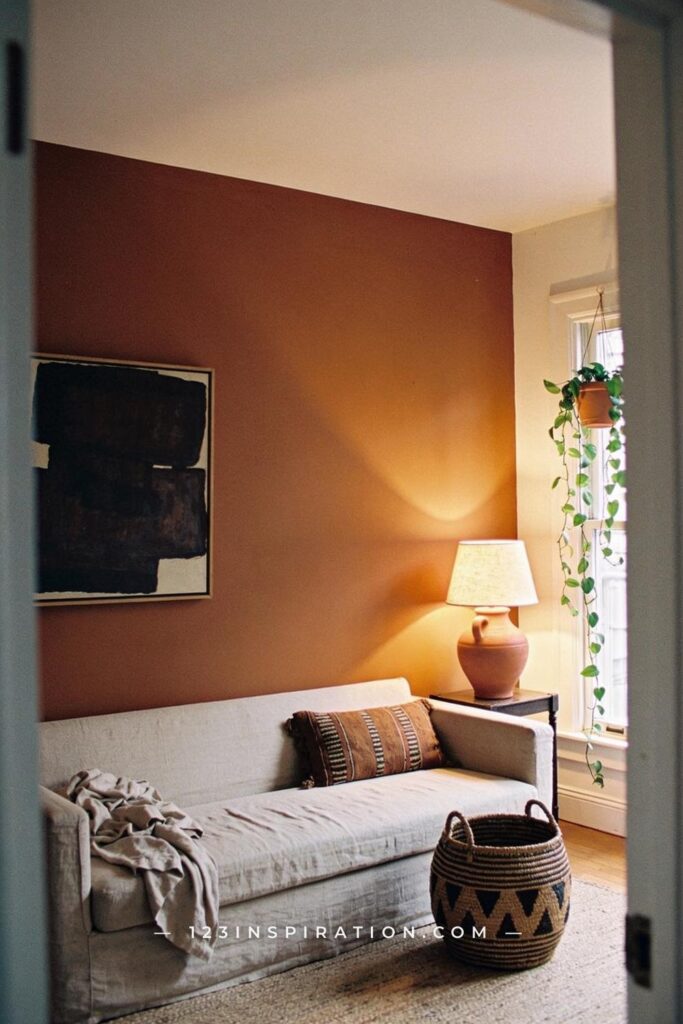
The wall color is the decision that makes or breaks everything that comes after it. Cottagecore’s signature warmth comes from off-whites and creamy neutrals that read as aged rather than sterile — think Sherwin-Williams “Antique White” (SW 6119) or Benjamin Moore “White Dove” (OC-17) rather than anything with a blue or gray undertone. Dusty sage on an accent wall (Sherwin-Williams “Rosemary” SW 6187 is a strong candidate) adds depth without straying from the nature-led palette that anchors the whole aesthetic.
Paint both walls before you buy a single decorative item. The cream creates warmth; the sage creates the sense that the room grew organically from a garden. Everything else you layer on top will either reinforce or fight that foundation. Renters: peel-and-stick fabric wallpaper in botanical or small floral prints achieves the same effect without a brush.
Key Takeaway: Lock in a warm-cream base and a dusty-sage accent before purchasing anything else — these two colors are the invisible glue that holds a cottagecore room together.

2. Choose a Linen or Cotton-Gauze Duvet as Your Bedding Anchor
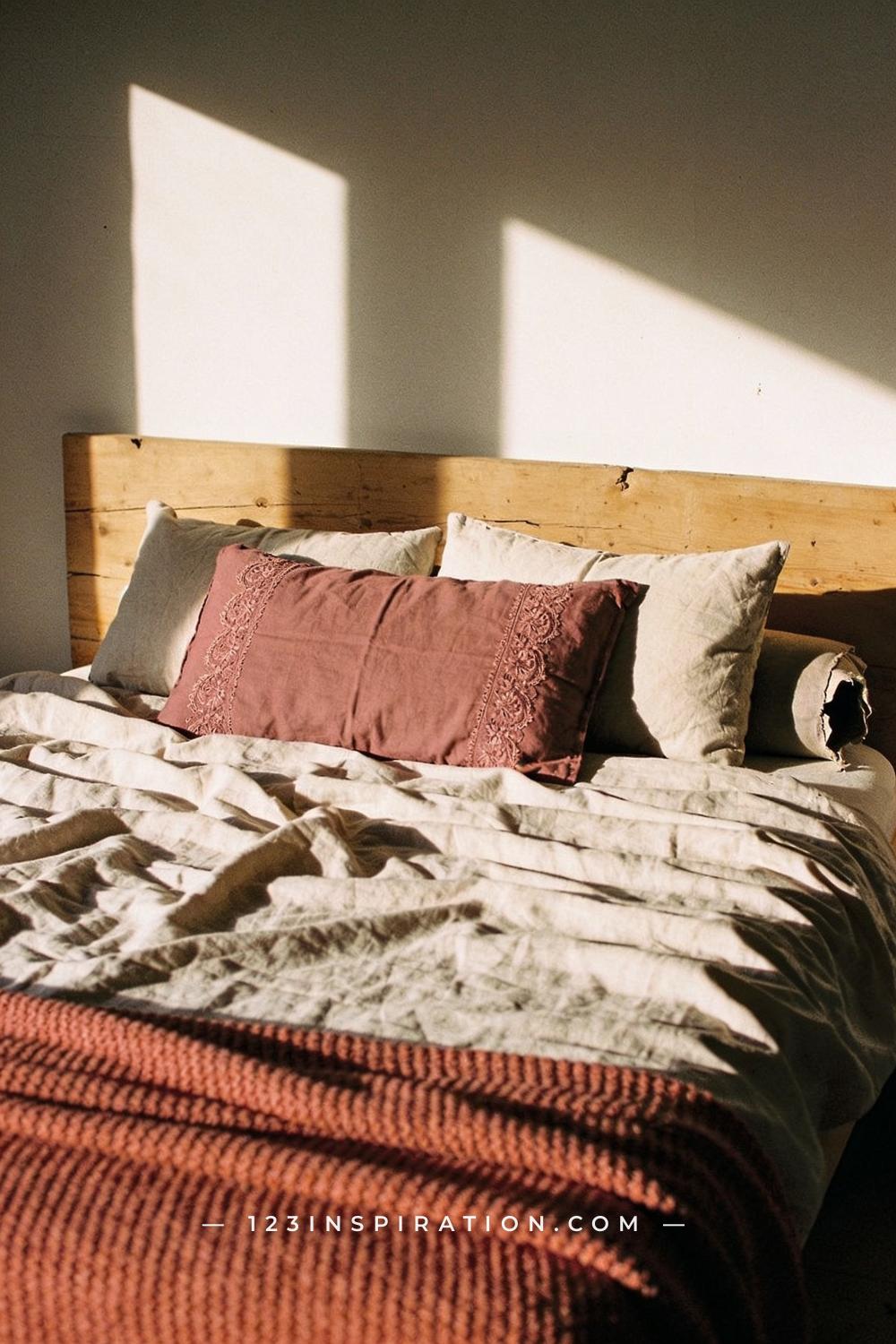
Bedding is the largest single surface in the room, so it sets the texture language for every other layer. Natural linen or cotton-gauze reads as effortlessly rumpled in a way that polyester never will — and that lived-in wrinkle is a core part of the cottagecore appeal, not a mistake to iron out. Choose natural undyed linen or a very pale dusty rose to stay within the warm editorial palette. Embroidered pillowcases (small botanical motifs, not large prints) add the hand-crafted detail that separates authentic cottagecore from a beige bedroom with farmhouse pretensions.
Avoid white duvet covers unless you’re comfortable with visible aging — off-white or the warm oatmeal tones photograph better on Pinterest and feel warmer in person, especially paired with sage walls.
Key Takeaway: A natural linen duvet in oatmeal or dusty rose is the single highest-impact purchase for an authentic cottagecore bedroom — it earns its cost in layering flexibility.

3. Layer a Patchwork or Vintage-Style Quilt at the Foot of the Bed
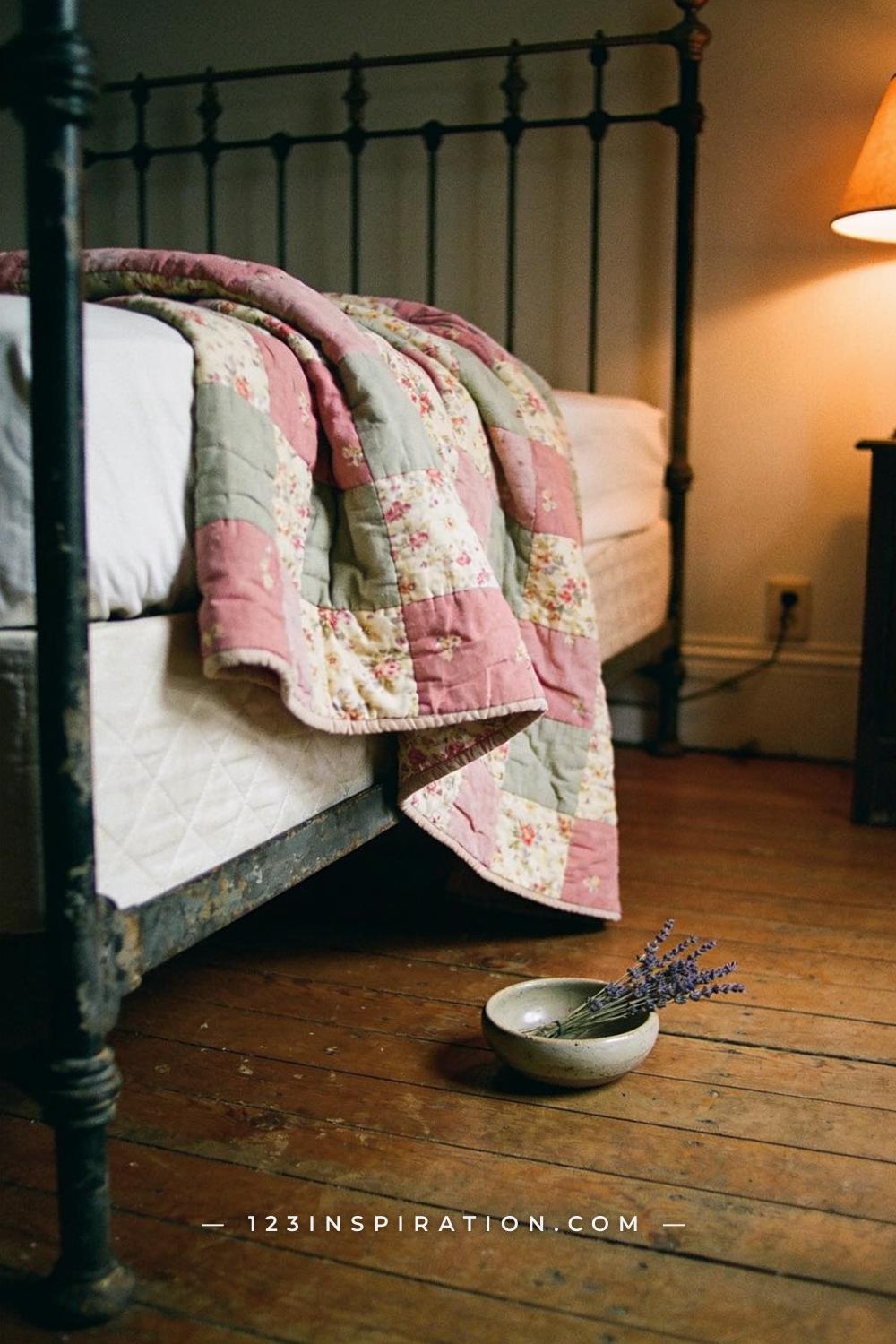
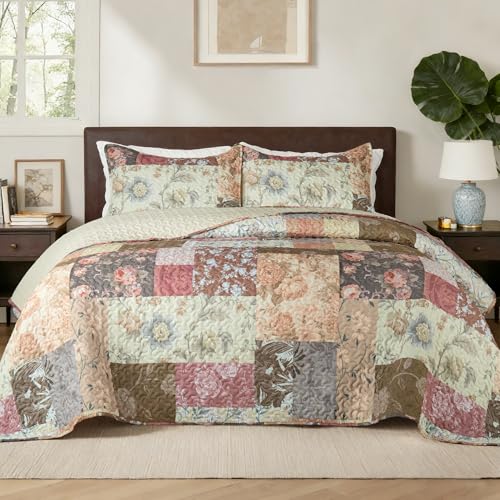
A patchwork quilt at the foot of the bed does two things simultaneously: it adds visual complexity (all those different fabric blocks carry your eye across the surface) and it signals handcraft, which is the emotional core of the cottagecore aesthetic. You don’t need a genuine antique — modern quilt manufacturers replicate the washed-cotton softness and faded floral palette extremely well. Look for quilts in faded pinks, sage greens, and cream rather than bold or primary colors, which read as country-kitchen rather than cottage-bedroom.
The quilt works best folded in thirds and draped loosely rather than tucked — the casual fold is part of the look.
Key Takeaway: A patchwork quilt in muted florals at the foot of the bed is the fastest way to layer visual depth without adding clutter to surfaces or shelves.
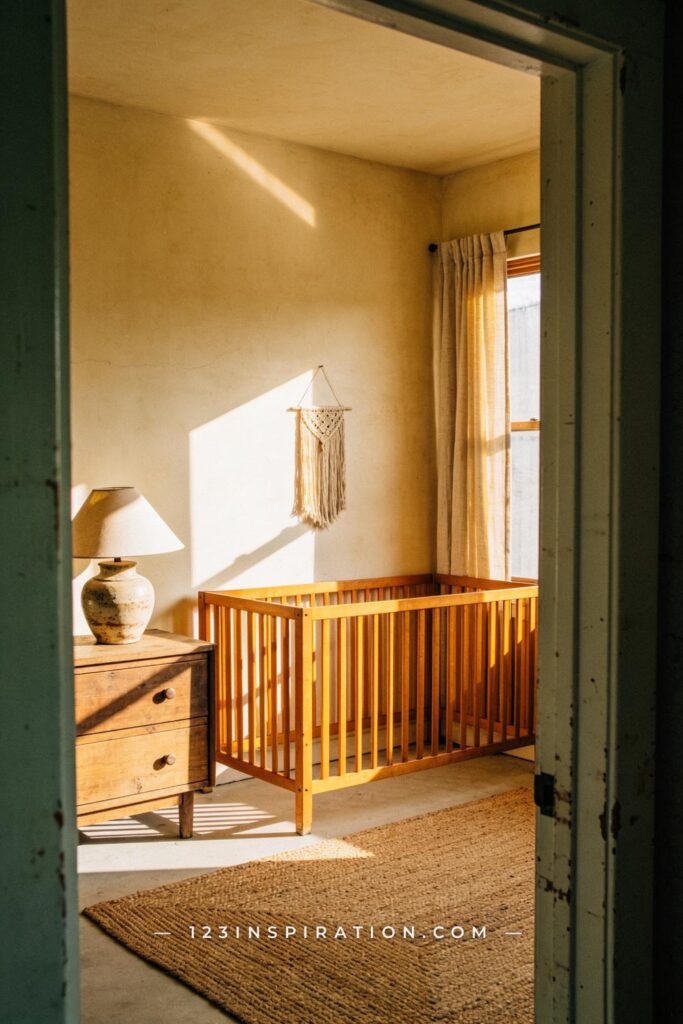
4. Hang Gauzy Linen or Cheesecloth Curtains for Diffused Light
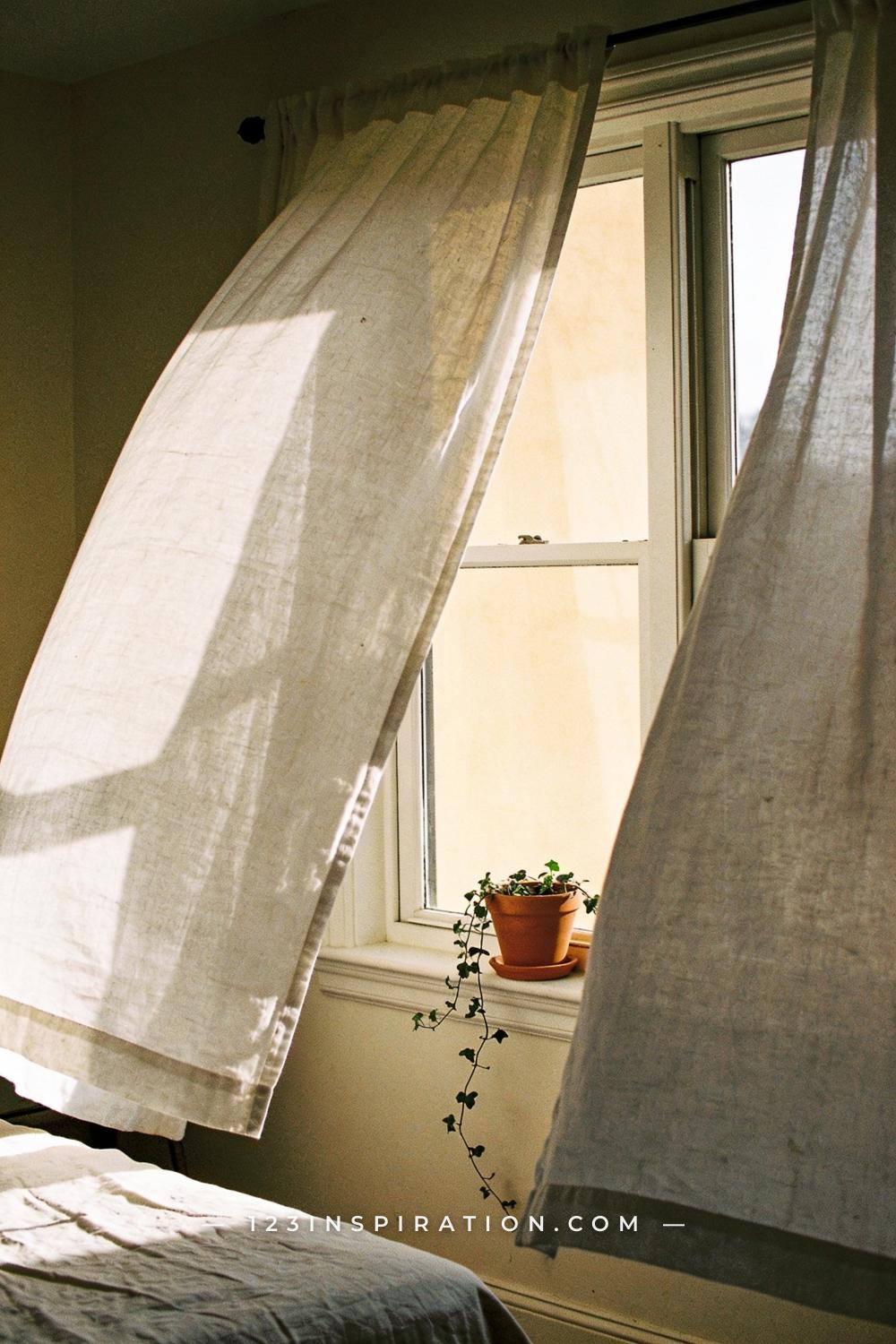
Hard window treatments — roller blinds, blackout curtains, rigid shutters — are architecturally incompatible with cottagecore. The aesthetic depends on soft, filtered light that feels like it came in through a garden window. Gauzy linen or cotton-cheesecloth panels in natural white or pale ecru achieve this while still providing enough coverage to feel intentional. Hang them at ceiling height even if the window is shorter — it lifts the room visually and makes the filtered-light effect more dramatic.
If you need blackout capability (shift worker, city apartment with streetlights), layer a blackout liner behind the gauze panels rather than swapping them out.
Key Takeaway: Ceiling-hung gauze curtains in natural linen are non-negotiable for the soft, diffused light quality that makes a cottagecore bedroom feel like a genuine retreat.

5. Bring In a Rattan or Wicker Pendant Light
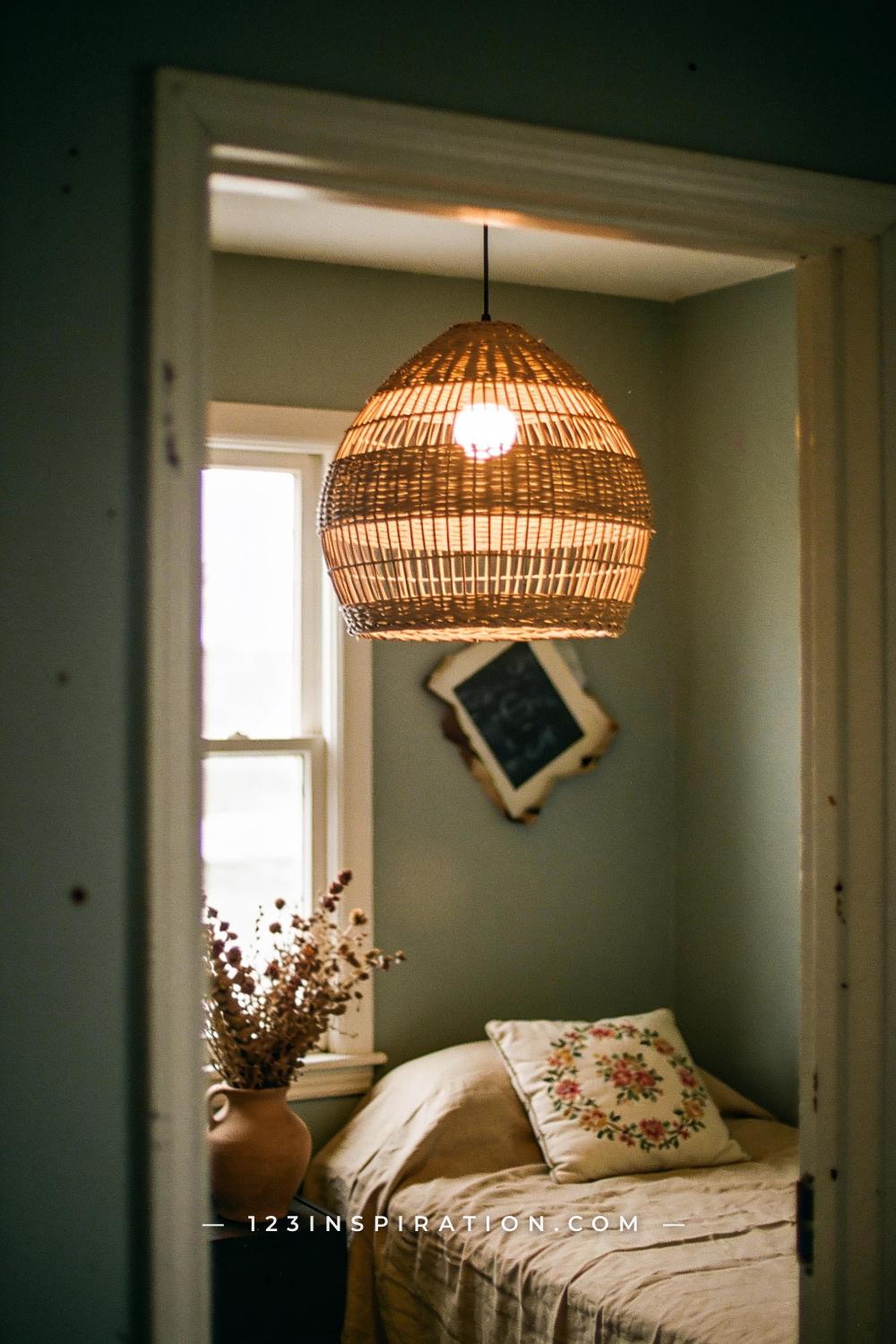
Overhead lighting in a cottagecore bedroom should feel warm, ambient, and natural-material-led — the complete opposite of a flat LED panel. A rattan or wicker pendant with a warm Edison bulb achieves both: the natural weave casts patterned light across the ceiling and walls (adding to the layered, organic feel), and it introduces texture at eye-catching vertical height where the room is otherwise textile-flat. Install it on a dimmer if at all possible — the ability to lower it to 20% in the evenings is one of the most underrated cozy-bedroom decisions you can make.
Key Takeaway: A rattan pendant on a dimmer switch is the single overhead-lighting choice most compatible with the warm, textured atmosphere cottagecore depends on.

6. Use Dried Botanicals as Your Primary Floral Element
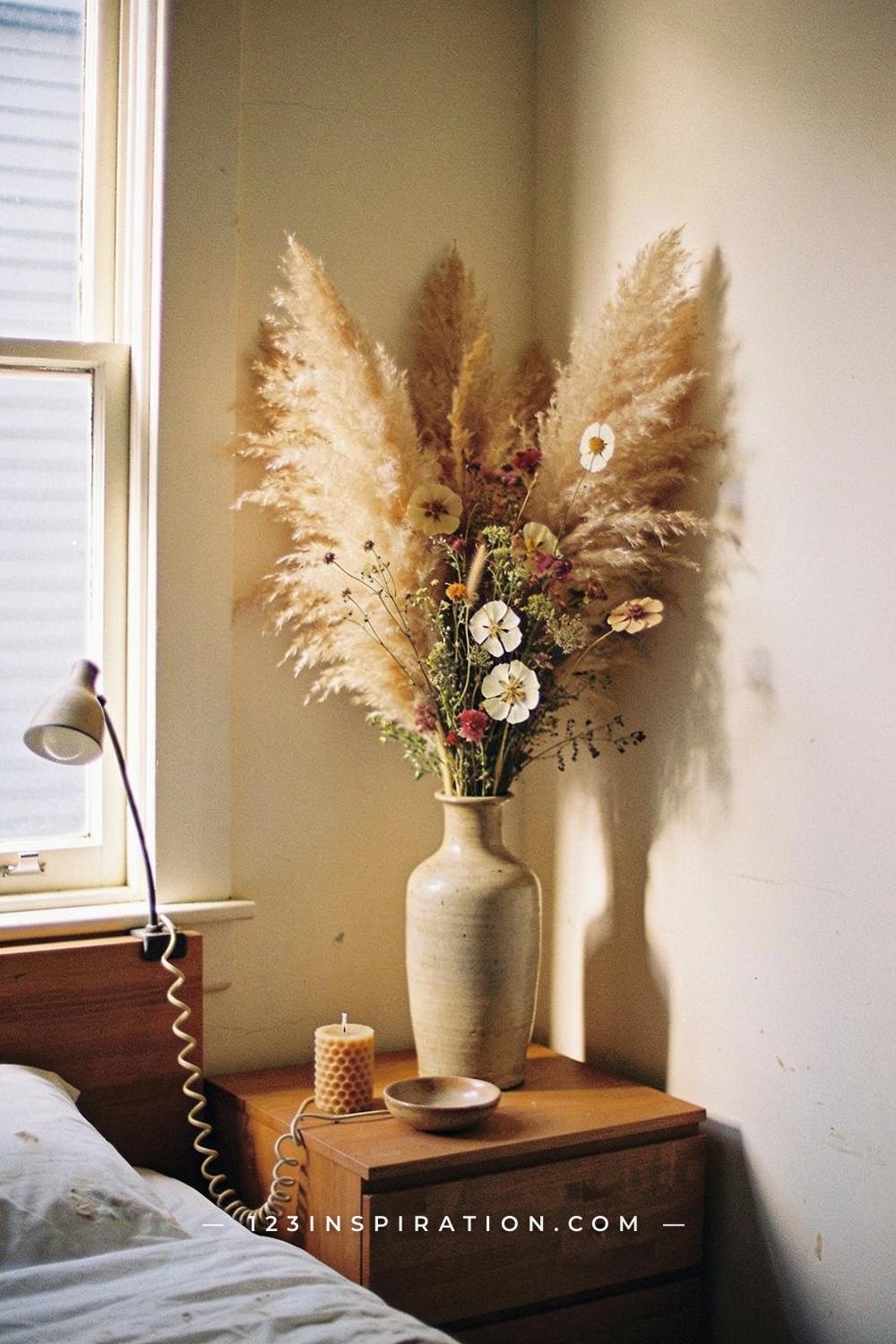
Fresh flowers are beautiful but fleeting — dried botanicals are the cottagecore practitioner’s smarter choice because they last the whole season, age gracefully (becoming softer in color and more visually complex over months), and don’t require any maintenance. Dried pampas grass, bunny tail grass, preserved eucalyptus, and pressed wildflower bundles are the five most consistently used botanical elements in 2026 cottagecore bedrooms, based on current design site coverage. The key is scale: use one generous bundle in a tall narrow vase rather than six small vases scattered across every surface, which tips from curated into cluttered.
Hang a smaller bundle from the curtain rod or a ceiling hook above the bed if floor-to-ceiling layering is a goal — this is one of the most-saved cottagecore bedroom images currently on Pinterest.
Key Takeaway: One oversized dried botanical arrangement in a ceramic or clay vase does more for a cottagecore bedroom than a dozen small decorative plants spread across the room.

7. Choose a Wooden or Iron Bed Frame With Visible Craft
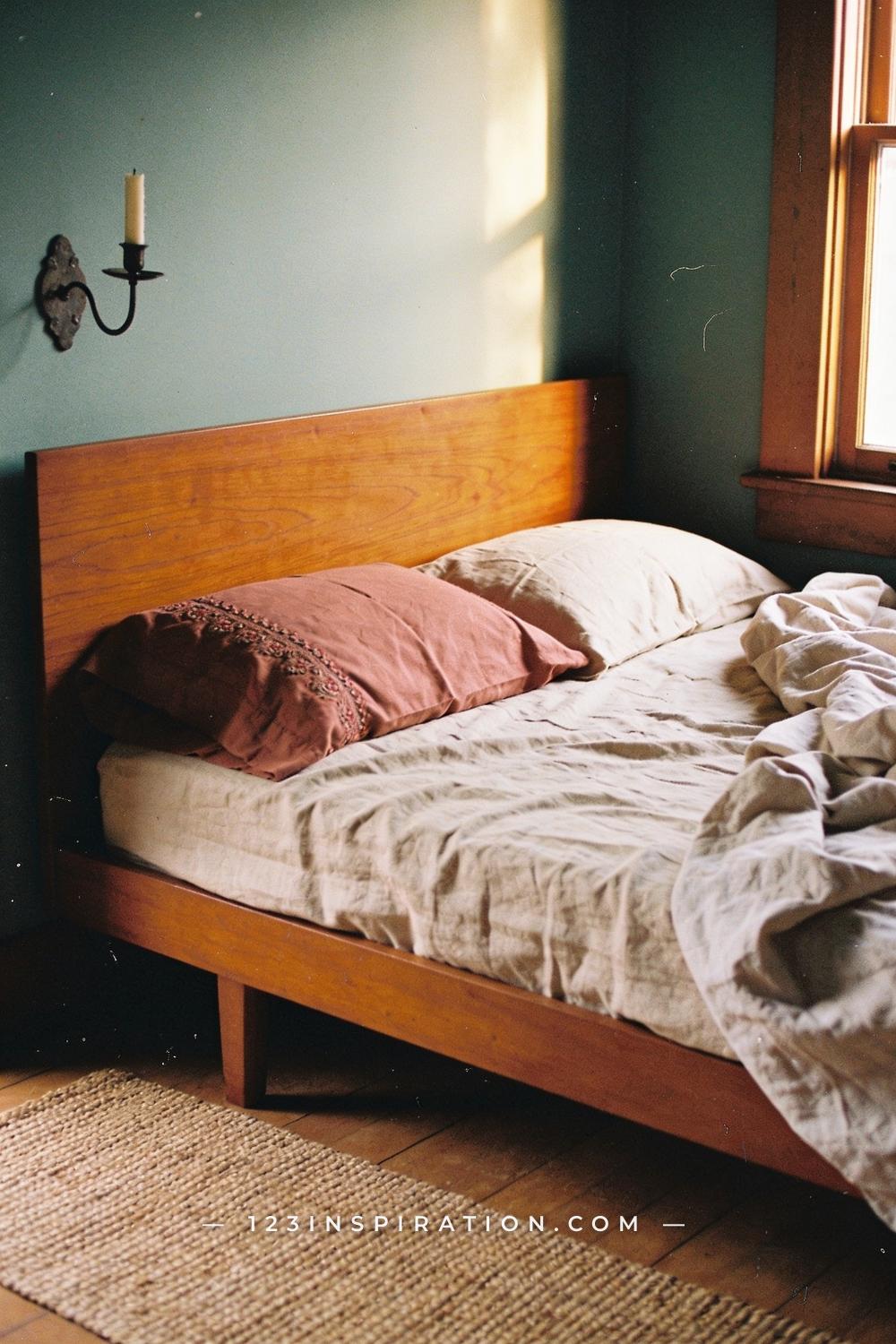
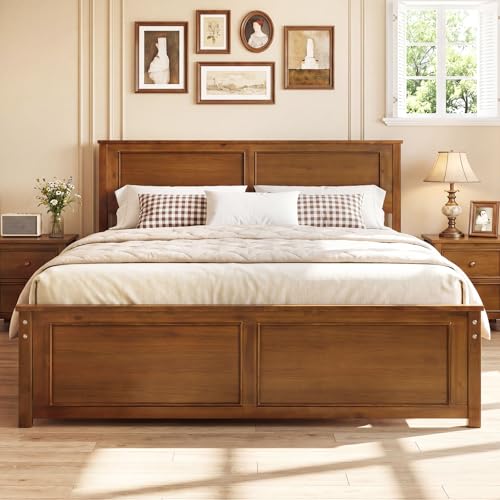
The bed frame is the room’s largest piece of furniture and the one that most clearly signals “this is intentional” versus “this is just stuff.” For cottagecore, the direction is either warm wood with visible grain (raw oak, pine, or walnut-stained frames) or iron with a hand-forged or vintage patina feel. Platform-low frames keep the room feeling grounded and nest-like rather than formal. Avoid upholstered beds in performance fabrics, white lacquer, or anything with a metal chrome finish — those all pull toward contemporary, which is aesthetically incompatible.
If you already have a bed frame you can’t replace, you can soften a modern frame with a linen headboard cover and a botanical wall treatment behind it to shift the visual weight.
Key Takeaway: A low-profile wooden or iron bed frame with visible natural material texture is the structural anchor around which every other cottagecore layer reads correctly.
8. Lay a Jute or Wool Woven Rug Under the Bed
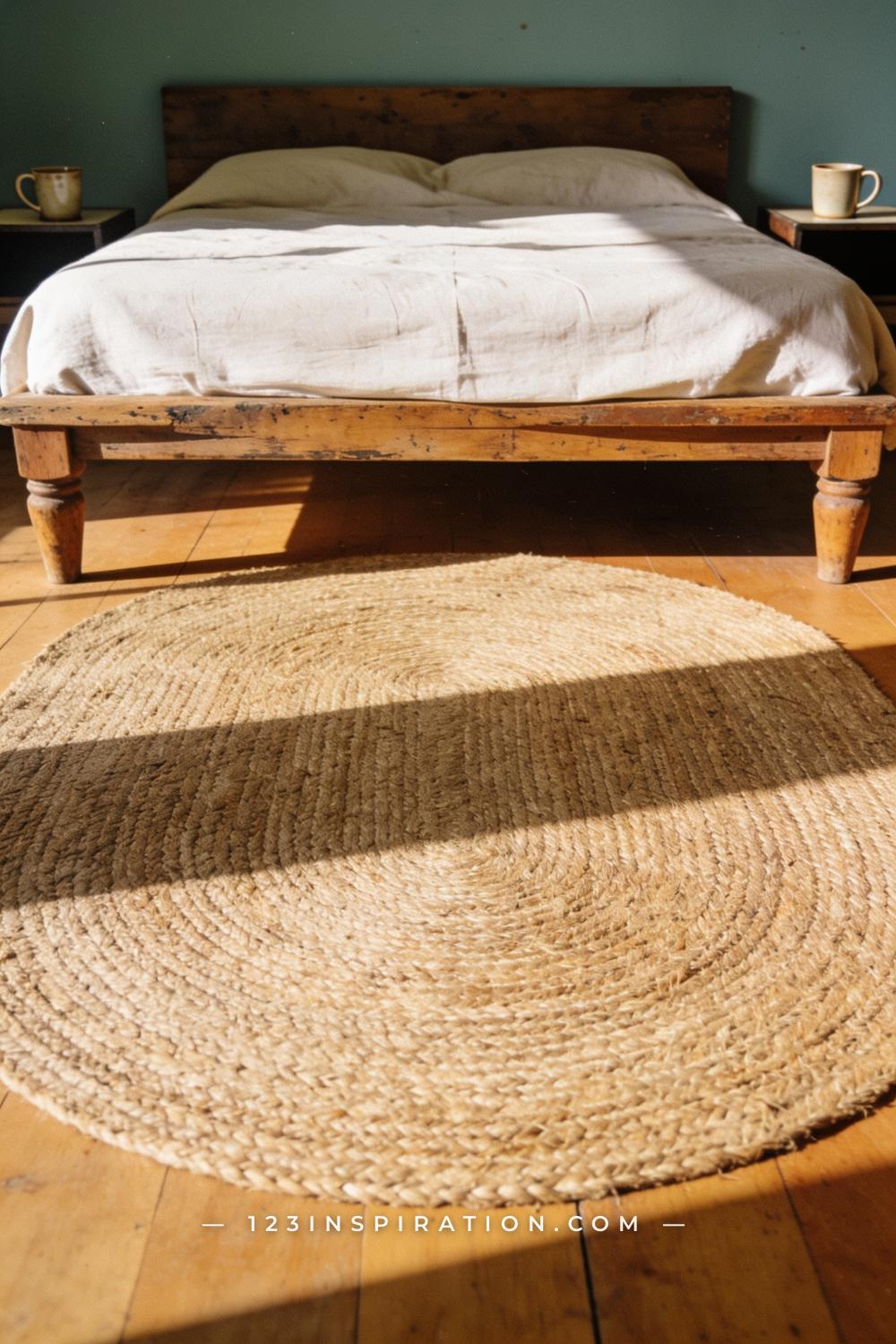
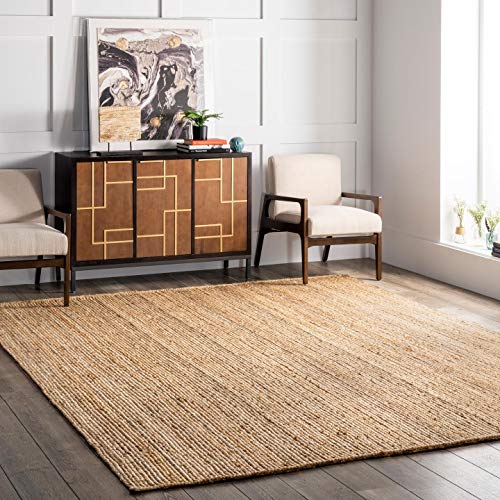
Hard floors — especially pale oak or worn wood, which are common in the homes that naturally lend themselves to cottagecore styling — need a woven rug to complete the layered-nest effect. Jute is the highest-frequency choice in 2026 cottagecore bedrooms because it reads as natural-material without competing with any color in the room; its warm honey-tan is complementary to every palette from sage to dusty rose. Wool flatweaves in soft stripes or botanical prints are the second-best option if you need softness underfoot.
Size matters more than most people realize: the rug should extend at least 18 inches beyond each side of the bed, so the first thing you feel when getting up is rug, not cold floor.
Weekly Inspiration
1000 ideas, one home at a time
Key Takeaway: A large jute or woven wool rug that extends generously past the bed edges is what makes a cottagecore bedroom feel enveloping rather than bare.
9. Add a Ceramic or Earthenware Bedside Table
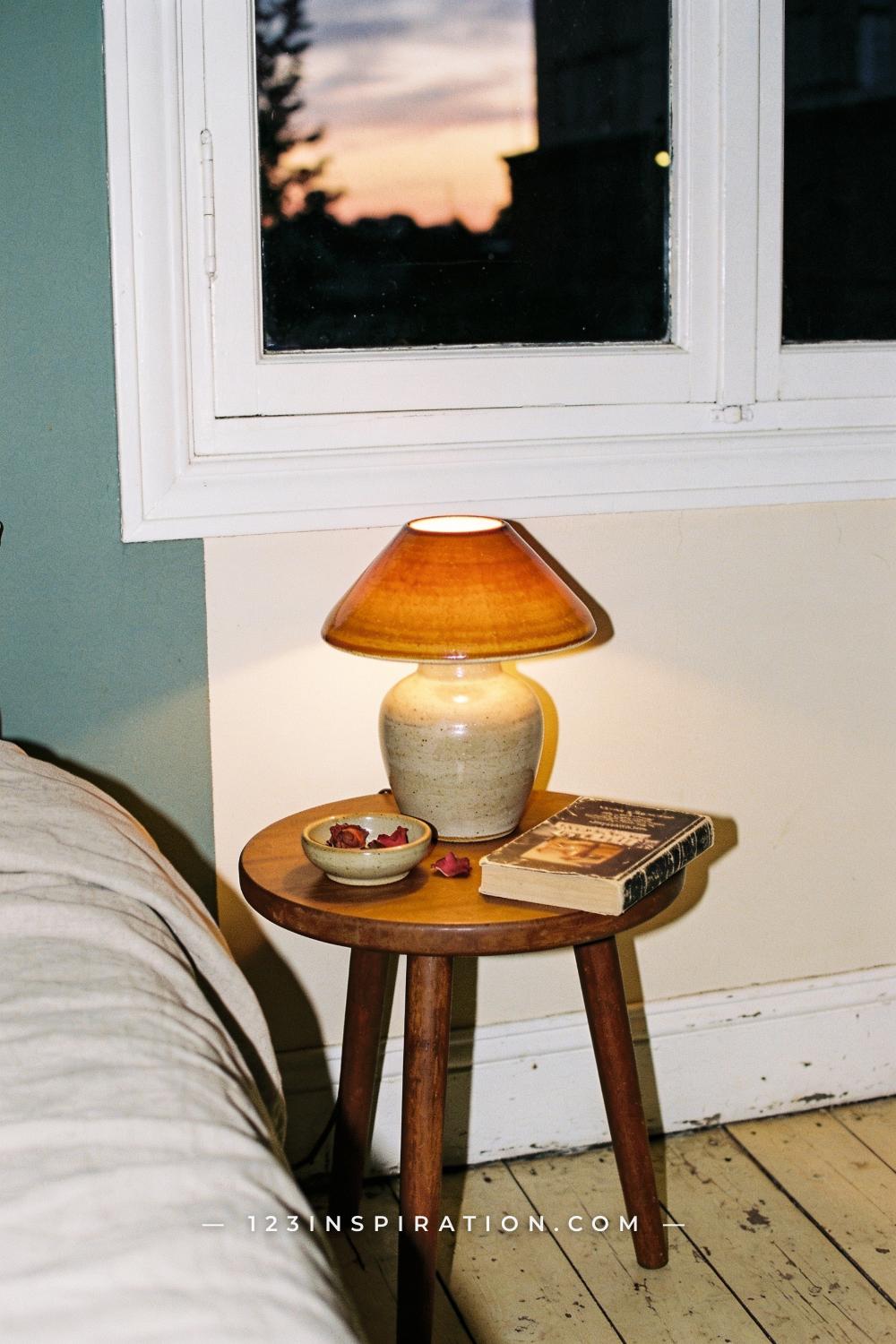
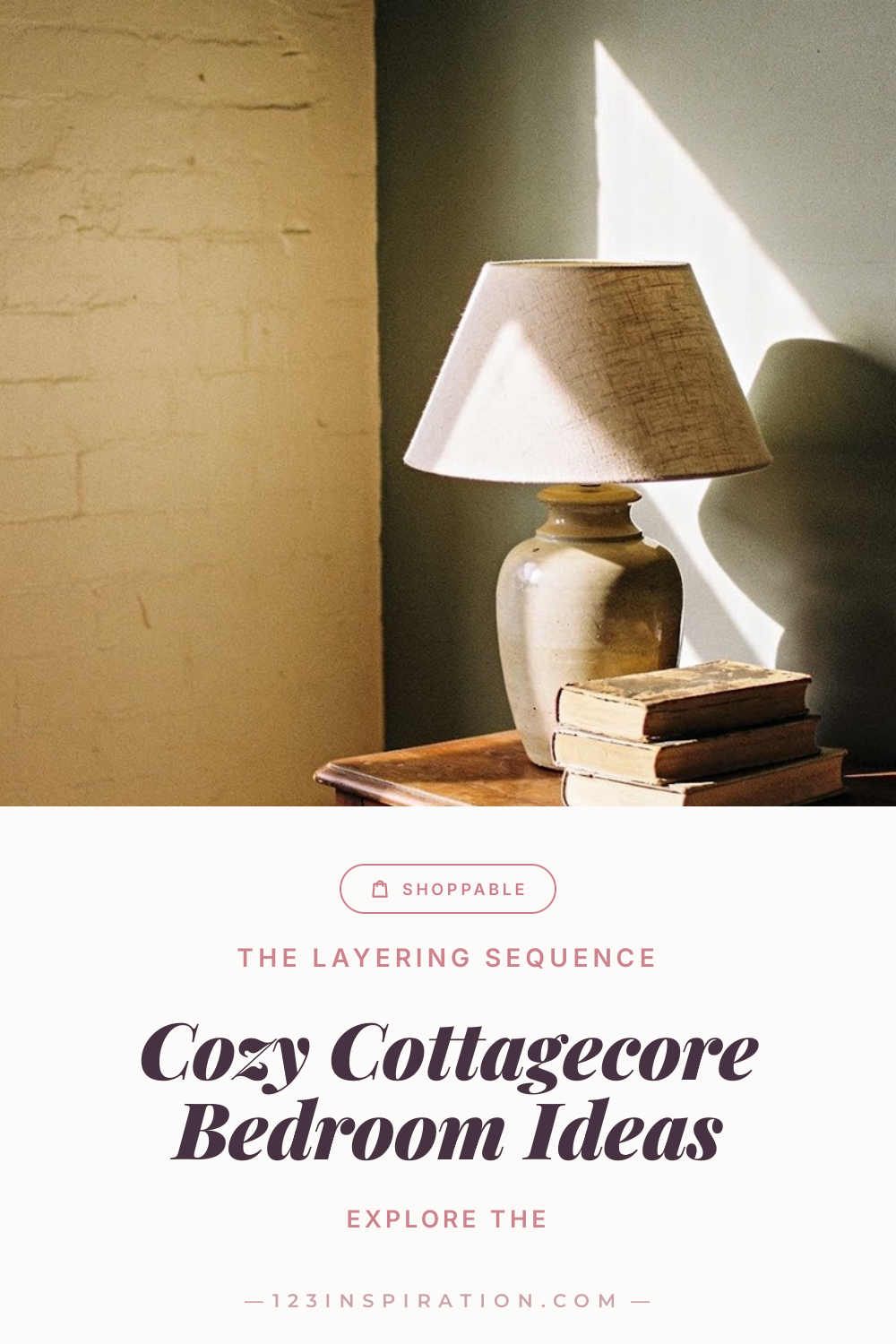
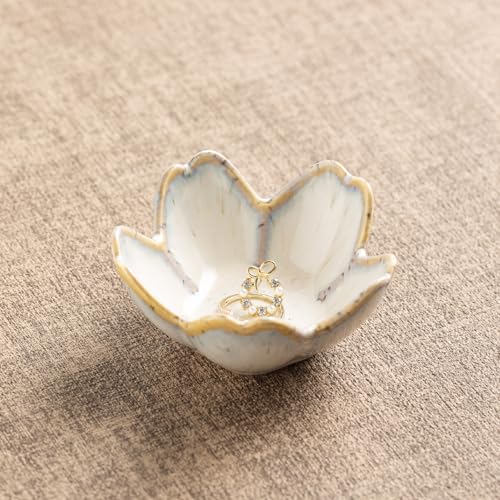
The bedside table is a small surface with outsized visual presence because the eye is naturally drawn to it — it holds the lamp, it’s close to the bed, and it’s at roughly the same height as where you look when sitting up. For a cottagecore bedroom, replace any glossy lacquer or black-metal nightstand with something in warm wood, wicker, or a mismatched vintage piece with some history in its surface. A hand-thrown ceramic bowl or small dish on the surface adds immediate artisan texture and gives you a landing spot for tiny beautiful things — dried petals, a smooth stone, a beeswax candle stub.
The imperfection of mismatched nightstands (one wooden stool, one vintage crate) is not a design mistake — in a cottagecore context, it reads as collected-over-time, which is exactly the narrative you want.
Key Takeaway: A warm-wood or wicker nightstand topped with a hand-thrown ceramic piece instantly communicates the artisan, nature-close sensibility that defines authentic cottagecore.
10. Install a Scalloped or Vintage-Frame Mirror
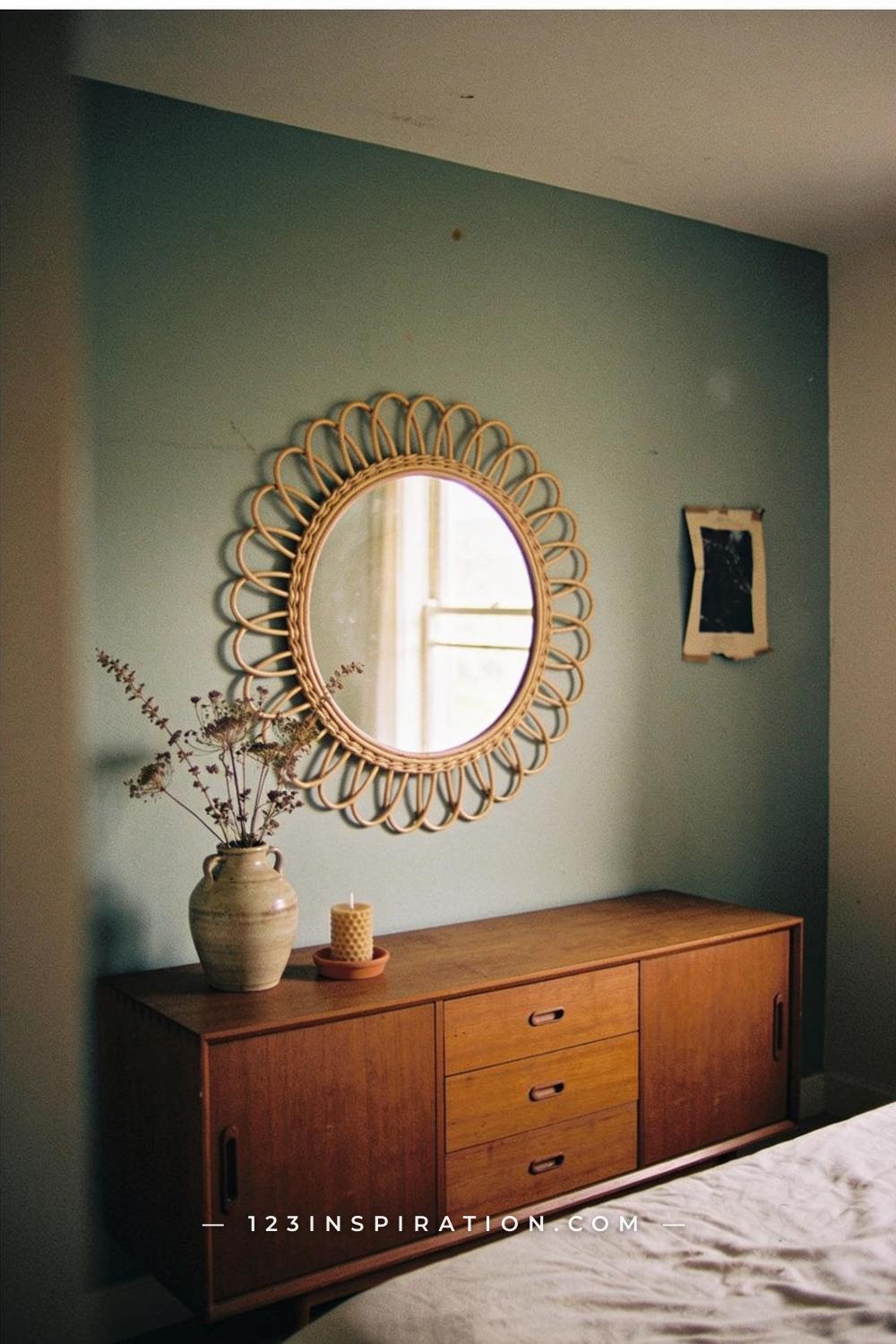
A mirror in a cottagecore bedroom serves two purposes: it bounces natural light deeper into the room (critical for the warm, glowing atmosphere) and it acts as an organic focal point on an otherwise textile-dominated wall. The frame is the deciding factor — scalloped rattan, carved wooden, or aged brass are all compatible with the aesthetic; flat frameless glass or sleek black metal frames are not. Round mirrors are slightly more popular than rectangular in current cottagecore Pinterest saves, likely because the curved silhouette echoes the organic shapes elsewhere in the room.
Hang it lower than you might instinctively — eye level seated on the bed is better than high-on-the-wall, which makes the room feel more intimate and cottage-scaled.
Key Takeaway: A scalloped rattan or carved wooden round mirror at seated eye level doubles the perceived warmth of a cottagecore bedroom by bouncing soft natural light back into the room.

11. Use Beeswax or Unscented Pillar Candles for Evening Light
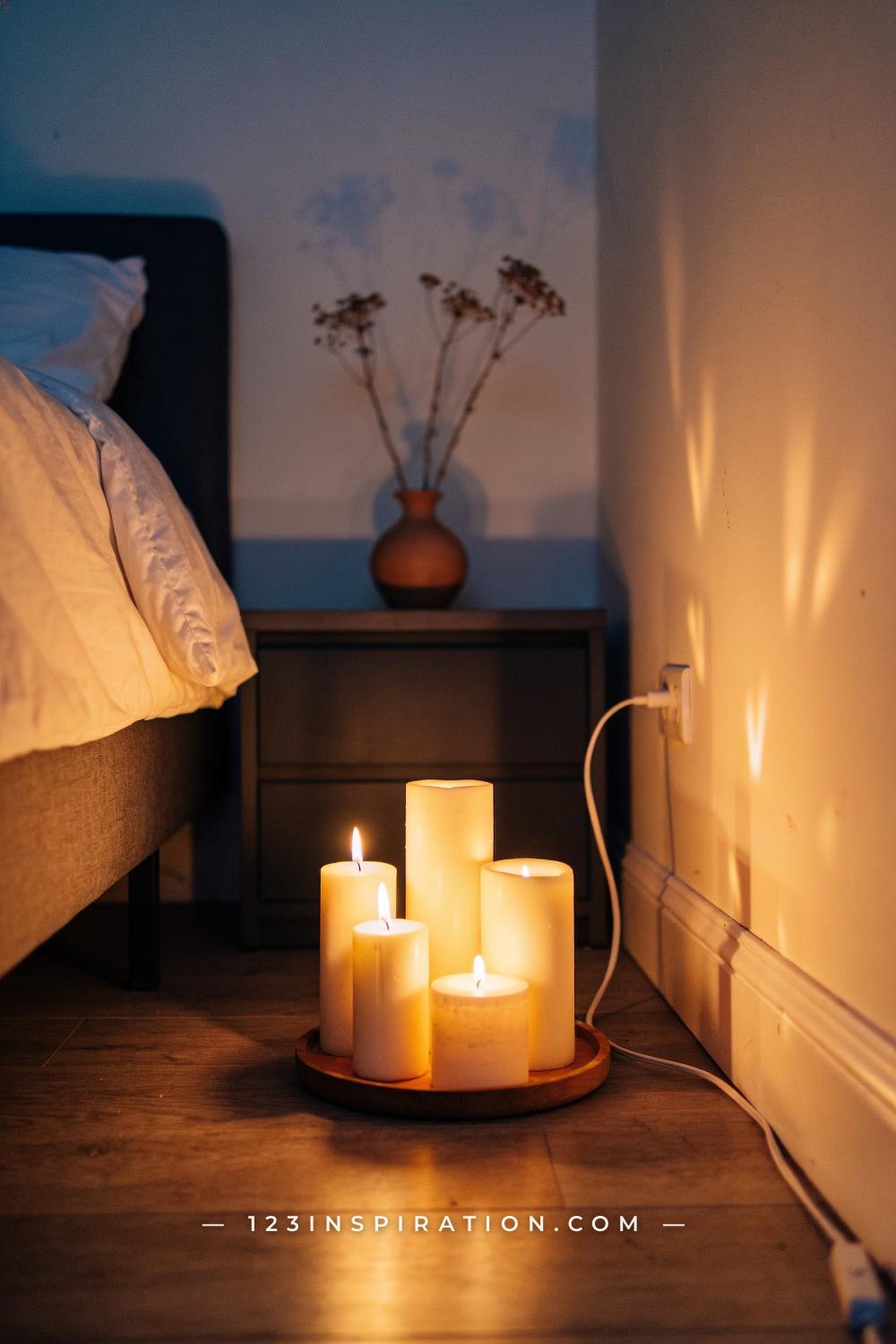
Evening light is one of the most underestimated tools in a cottagecore bedroom. Overhead electric light — even warm-bulb pendant light — flattens the textured surfaces that make the room special. Real-flame pillar candles in natural beeswax (unbleached, honey-colored) introduce flickering, directional warmth that makes every linen, ceramic, and botanical surface glow differently than they do in daylight. Group different heights on a small wooden tray or slate tile to reduce fire risk while achieving the layered candlescape effect.
If open flame isn’t practical in your space, rechargeable flameless pillar candles with a flicker mode are the one exception where the alternative achieves nearly the same visual result — the warm amber light and the movement are what matter, not the chemistry of the combustion.
Key Takeaway: A grouped cluster of pillar candles on a wooden tray at floor level creates the warmest, most atmospherically authentic cottagecore lighting effect that no electric fixture can replicate.

12. Layer Embroidered or Printed Floral Throw Cushions
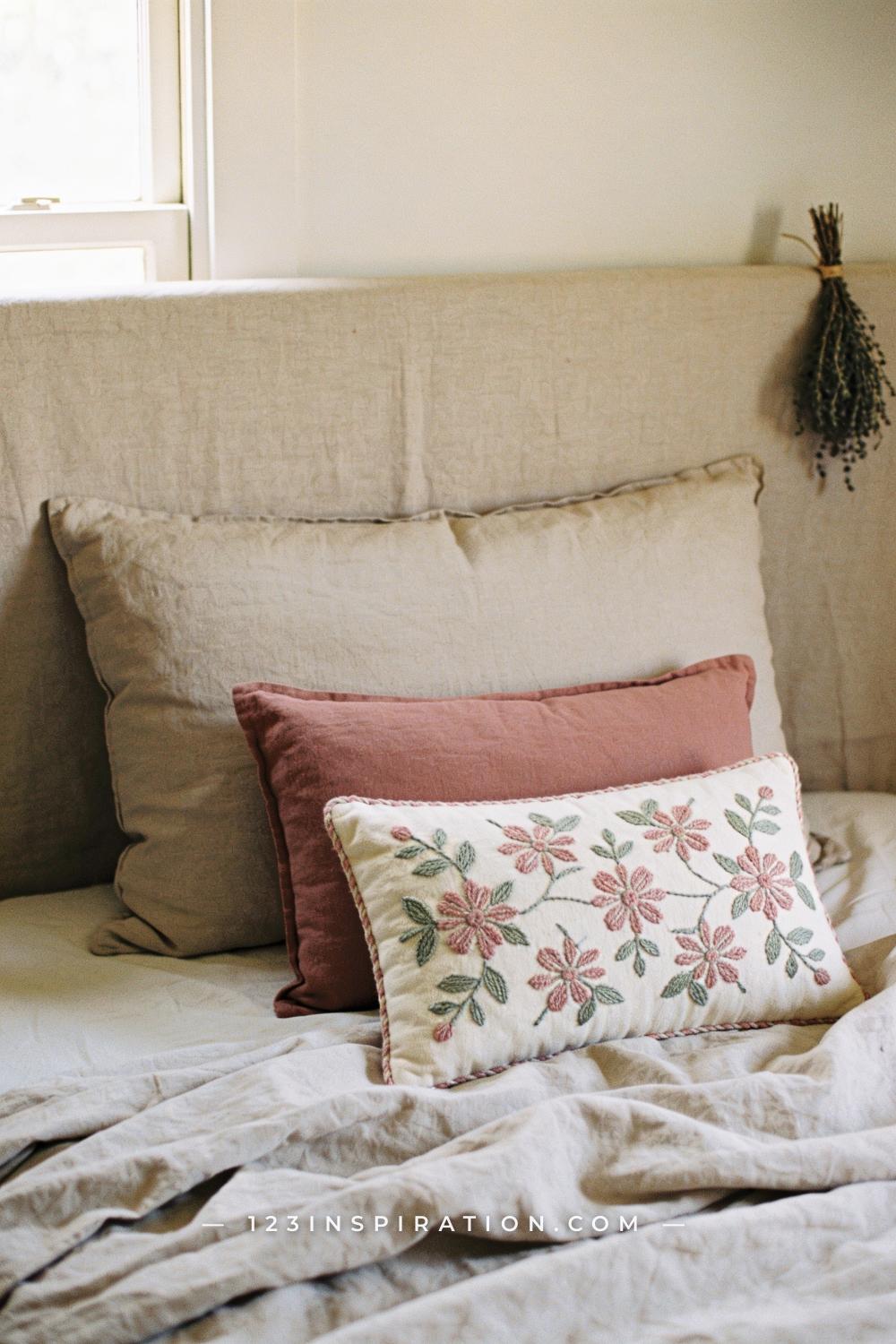
Cushions are the easiest layer to change seasonally and the most likely item to telegraph “I actually know this aesthetic” when chosen well. The cottagecore formula for throw cushion layering: one large plain backing sham (oatmeal linen), one medium accent (dusty rose or sage solid), and one embroidered or botanical-print cushion as the statement piece. Three-piece layering at the head of the bed reads as intentional without tipping into maximalist pile. The embroidery motifs that read most authentically cottagecore are small wildflowers, herbs, and butterflies — not large tropical botanicals, which belong in a different aesthetic entirely.
Avoid any cushions with text, brand embroidery, or geometric prints — those all fracture the nature-immersed narrative the rest of the room is building.
Key Takeaway: A three-pillow layering formula (plain large + plain medium + embroidered statement) creates the collected-but-intentional cushion arrangement that makes a cottagecore bed look genuinely styled.

13. Hang Pressed Botanical Prints or Vintage Floral Art
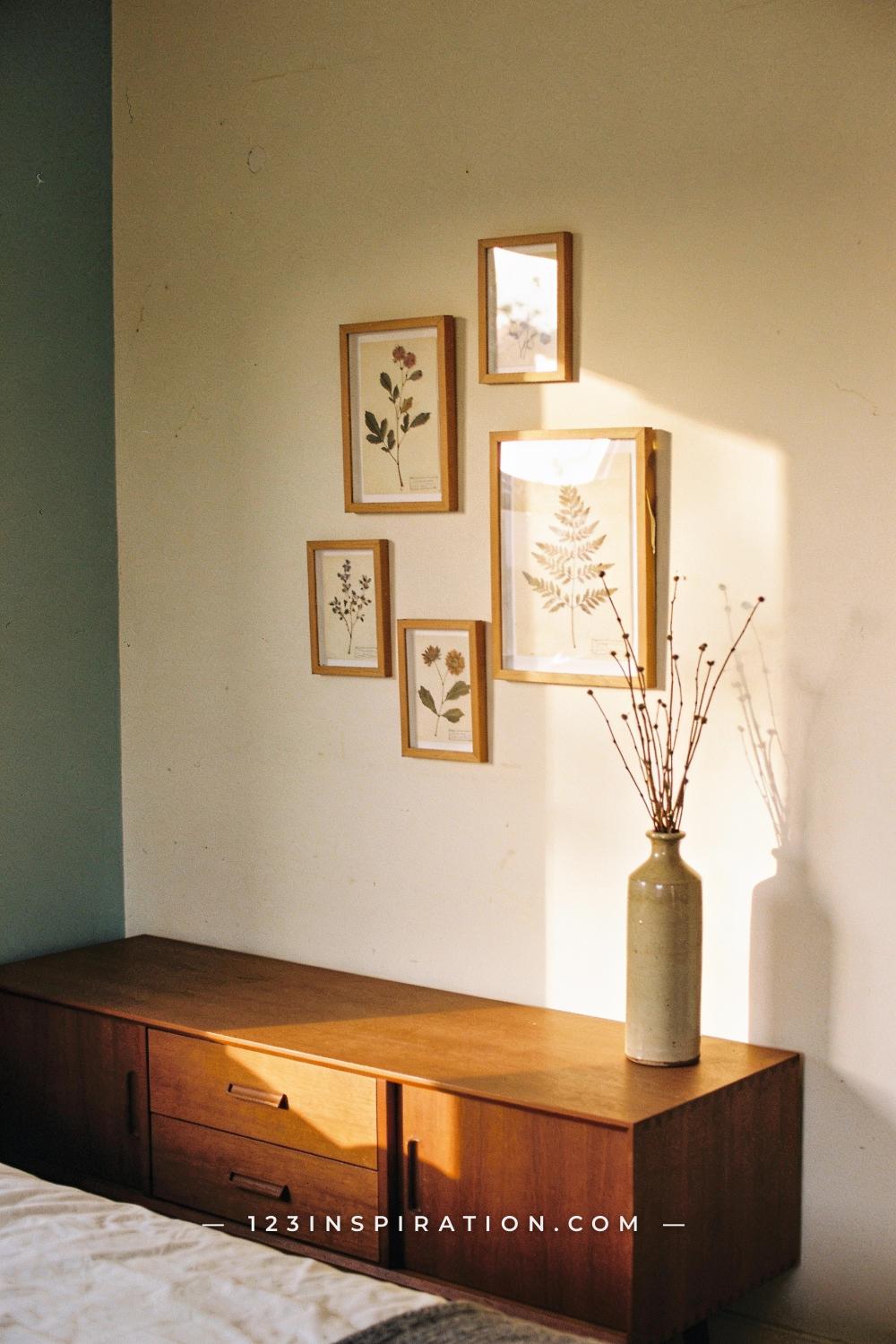
Wall art in a cottagecore bedroom should feel found rather than purchased — pressed botanical specimens, vintage floral studies, antique mushroom prints, or hand-illustrated wildflower pages all fit within that narrative. The framing keeps them intentional: simple thin-profile wooden frames in raw oak or aged cream, unmatted, hung closely together in a small cluster rather than spread across the entire wall. Three to five small frames grouped asymmetrically reads as collected; fifteen frames evenly spaced reads as a design statement that competes with the botanical and textile layers rather than supporting them.
You don’t need original artwork — high-quality printable botanical prints are widely available and look genuinely beautiful printed at home or through a local print shop.
Key Takeaway: A small asymmetric cluster of pressed botanical art in simple wooden frames is one of the most cost-effective ways to add authentic cottagecore narrative to a plain bedroom wall.

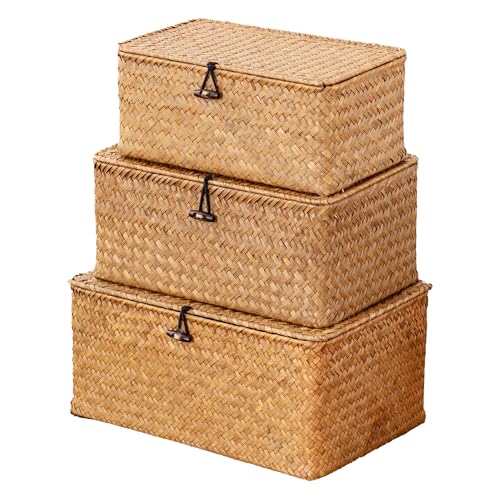
14. Incorporate Natural Fiber Storage — Wicker Baskets, Rattan Trays
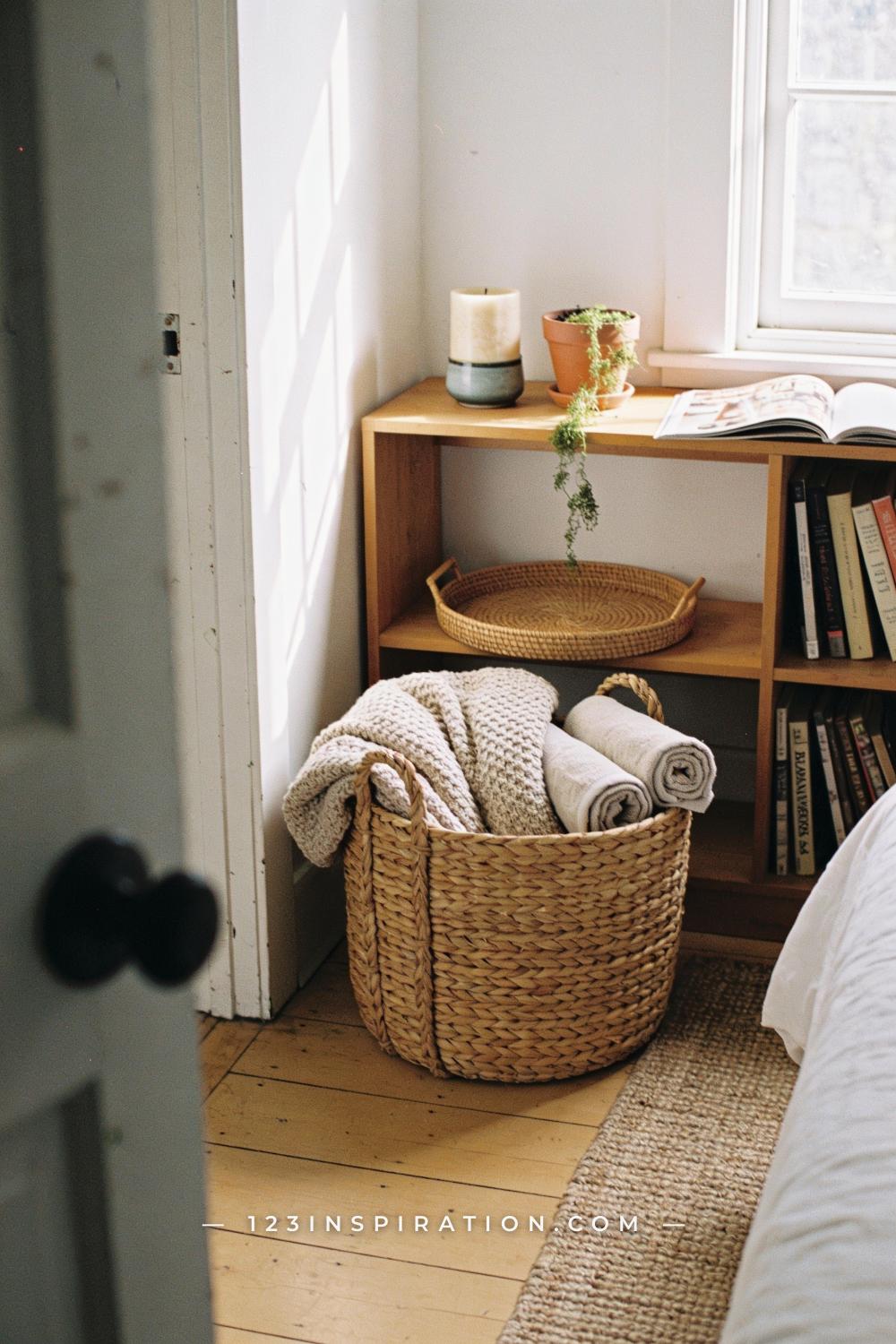
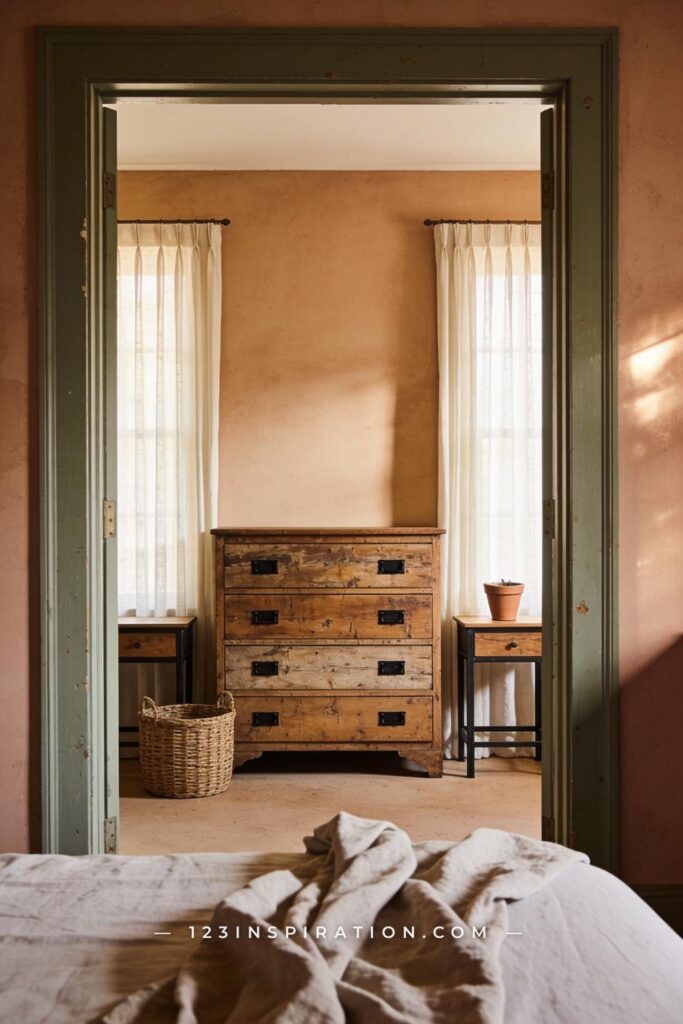
Storage in a cottagecore bedroom is part of the aesthetic, not something to hide. Wicker baskets, rattan trays, and woven seagrass bins in natural tones serve the double function of keeping the room tidy and reinforcing the natural-material palette with every glance. A large floor basket holding extra blankets at the foot of the bed is one of the most-saved practical-meets-decorative solutions in current cottagecore content. A smaller rattan tray on the dresser corrals candles, a small planter, and jewelry into a visually unified surface without requiring a dedicated organizing system.
Match basket tones to the room’s wood tones for coherence — honey rattan pairs with warm oak, while whitewashed wicker suits lighter Scandinavian-influenced cottagecore rooms.
Key Takeaway: Natural-fiber wicker baskets used as visible storage are a functional and aesthetic double-win that reinforces the material language of the rest of the room.
15. Finish With a Sheer Bed Canopy Draped From the Ceiling
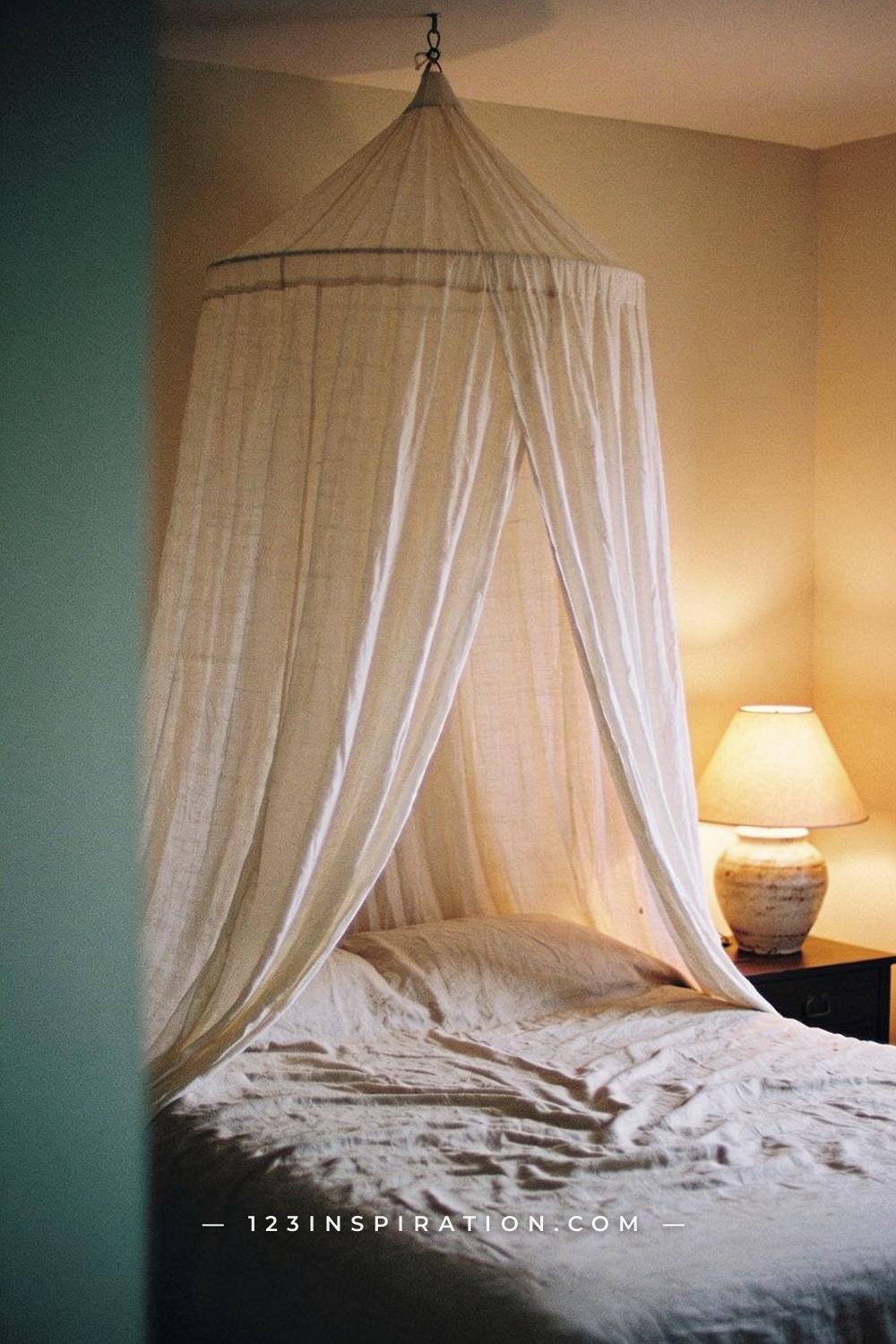
A sheer bed canopy is the finishing layer that takes a well-styled cottagecore bedroom from “pretty” to “genuinely transportive.” It works by creating a soft architectural boundary around the sleeping area — a room-within-a-room effect — that makes the bed feel like a nest tucked inside the larger space. Single-point ceiling canopies (one hook, fabric draping in a gathered tent) are the most renter-friendly option because they require only one ceiling screw and can be taken down without any visible damage. White or ivory cotton-gauze is the most versatile choice — it photographs beautifully in natural light, diffuses the glow from a bedside lamp, and works with any wall color.
This is the last layer you add, not the first — all the work you’ve done underneath it (walls, bedding, botanicals, light) will read through the gauze and create the final layered depth that makes the room look like a professional styled it.
Key Takeaway: A sheer gauze canopy added last, after every other layer is in place, provides the architectural softness that gives a cottagecore bedroom its signature sense of enveloping warmth.

The through-line in every idea here is the same: cottagecore coziness isn’t about accumulating more things — it’s about choosing things with the right material DNA (natural fibers, hand-thrown ceramics, dried botanicals, warm wood) and placing them in the right sequence. Start with the wall color. Build the bed from linen out. Add your botanicals and candles last. The room will feel like it grew that way rather than being assembled in a weekend, which is exactly what makes someone stop and save the image on Pinterest. Pick the two or three ideas from this list that address what your room is currently missing most, do those first, and let the rest follow in their own time.