123Inspiration
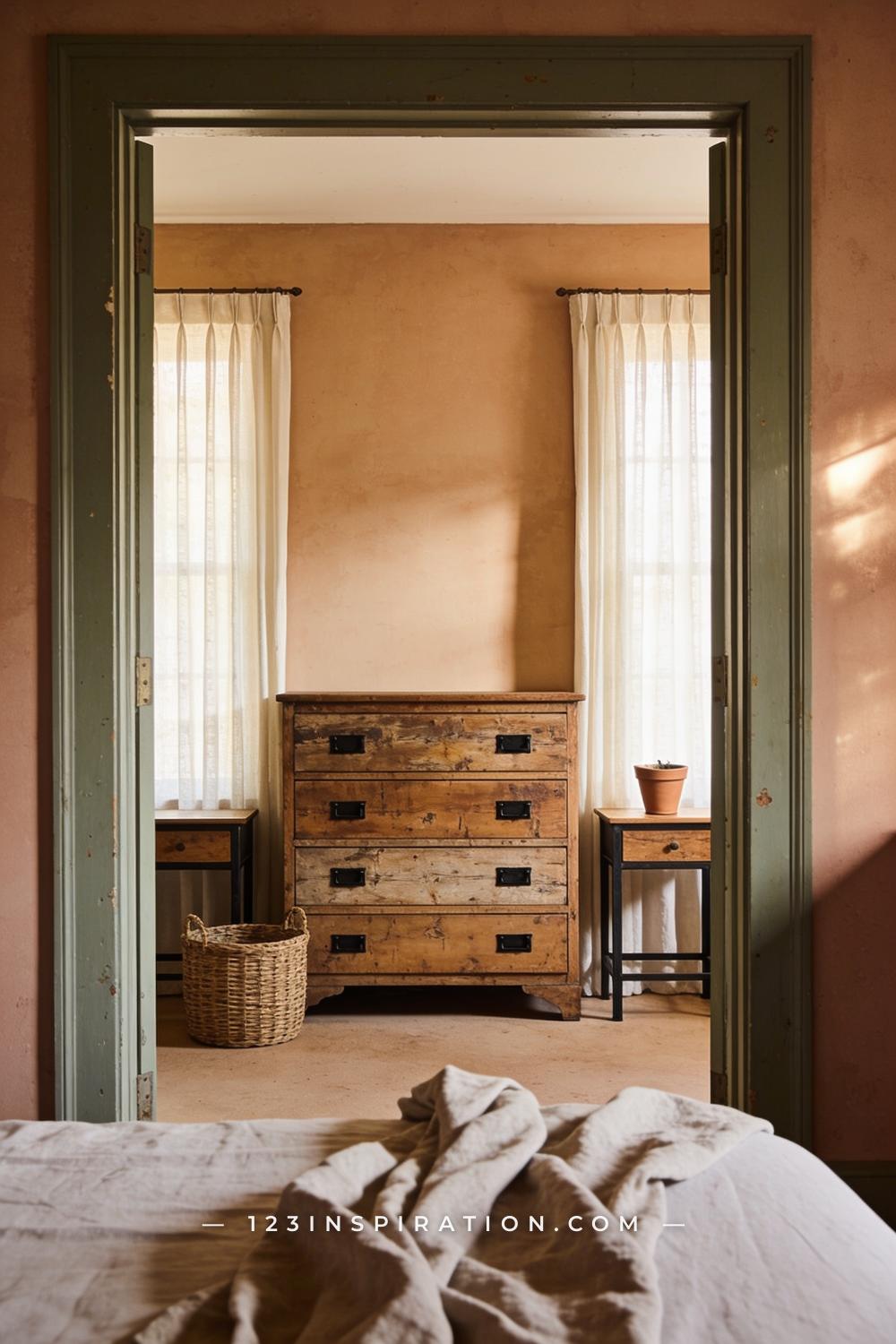
Reclaimed wood bedroom furniture has a reputation problem. Search for it on Pinterest and you’ll find two camps: beautifully edited, warm organic rooms that feel like a high-end boutique hotel — and chaotic log-cabin spaces that somehow ended up with a horseshoe on the wall. The difference between those two outcomes isn’t the furniture itself. It’s knowing which pieces to choose, how to mix them with the rest of the room, and which styling traps to sidestep before you pull the trigger on anything.
This guide covers 13 specific reclaimed wood nightstands and dressers worth buying, and more importantly, shows you exactly how to style each one so the room reads sophisticated rather than kitschy. Every recommendation is a real product, verified and available. If you’ve been saving reclaimed wood bedroom inspo for months without committing, this is the piece that gets you off the fence.
Why Reclaimed Wood Reads “Rustic-Clunky” in Some Rooms (and Not Others)
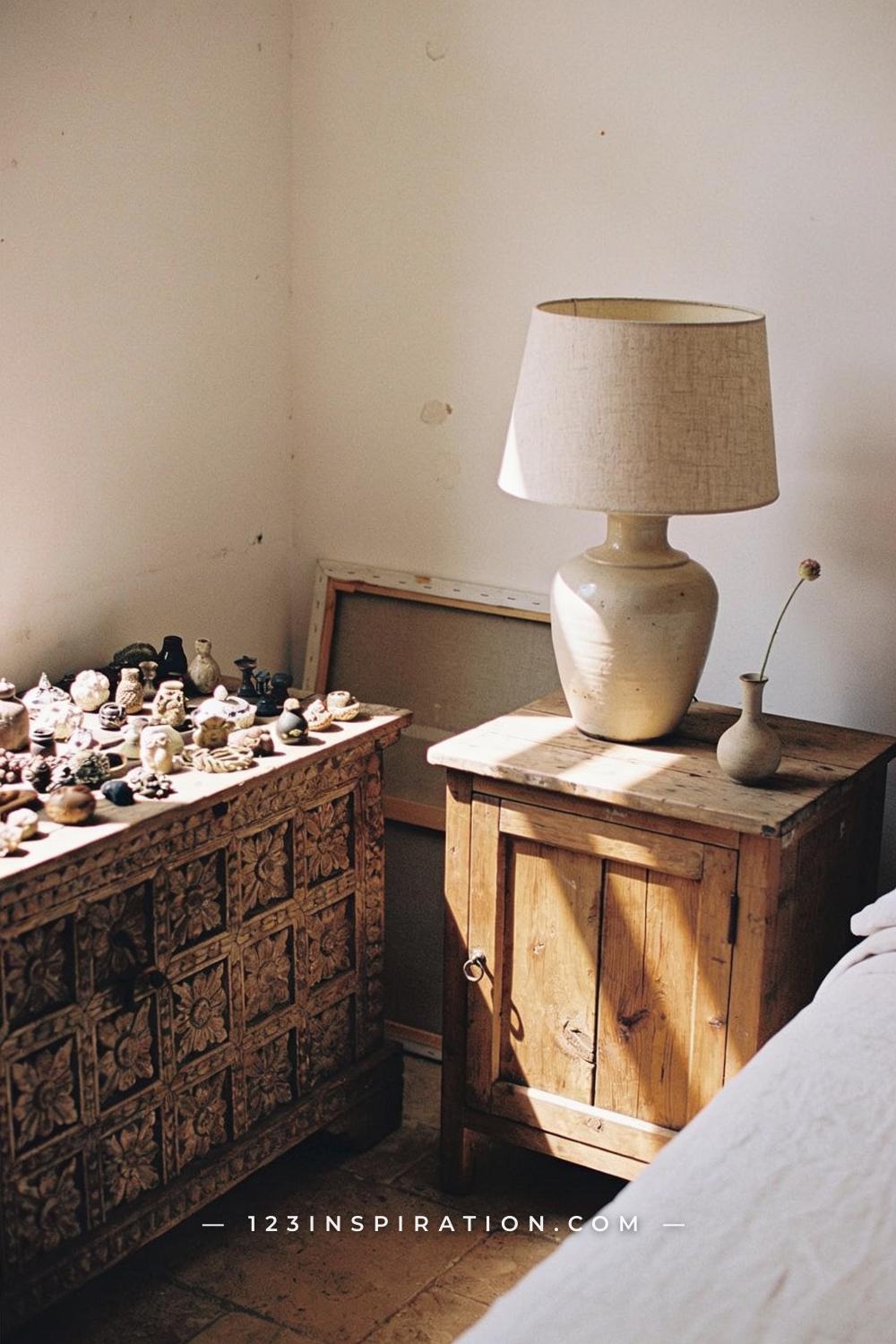
The problem is almost never the reclaimed wood itself — it’s the accumulation of rustic signals around it. When a reclaimed wood nightstand shares a room with wrought-iron curtain rods, a plaid duvet, and a barn-door headboard, the room becomes a theme. Themes feel intentional in cabins. In a suburban bedroom, they read as a mood board gone too far.
The fix is deliberate contrast. Reclaimed wood furniture works best when it’s surrounded by materials that feel refined or modern: a ceramic table lamp with clean geometric lines, linen bedding in dusty blush or sage, simple hardware in brushed brass rather than black iron. The rough texture of the wood needs something smooth, minimal, or softly colored beside it to anchor it in the present rather than the past.
Think of the reclaimed wood piece as the statement and everything else as the edit. One warm-toned, textured dresser can carry a whole room — it doesn’t need help from a collection of matching rustic elements.
Key Takeaway: The rustic-clunky trap is caused by too many rustic signals at once — keep the reclaimed wood as the focal point and surround it with refined, contemporary pieces.

The Drawer Hardware Rule Nobody Talks About
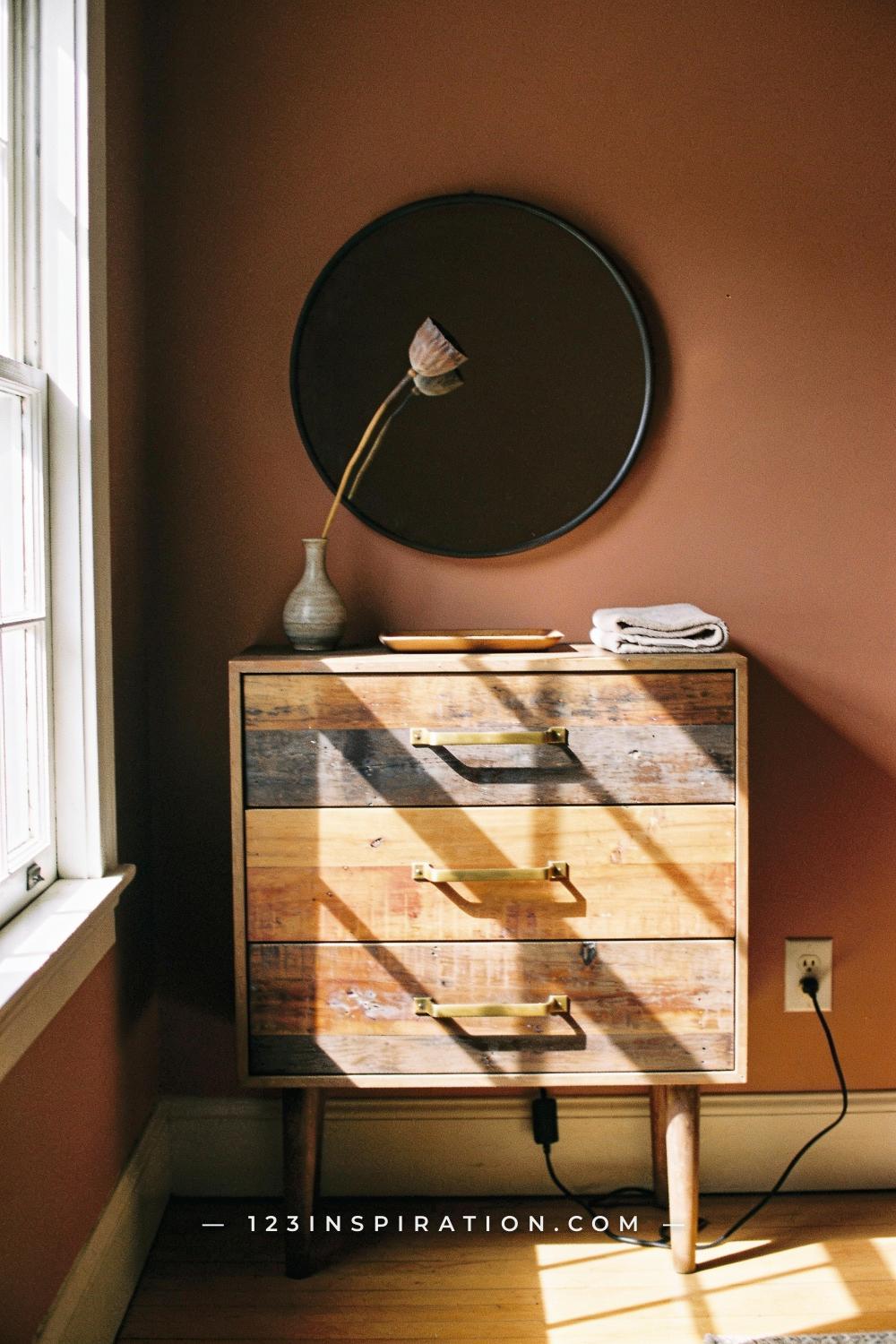
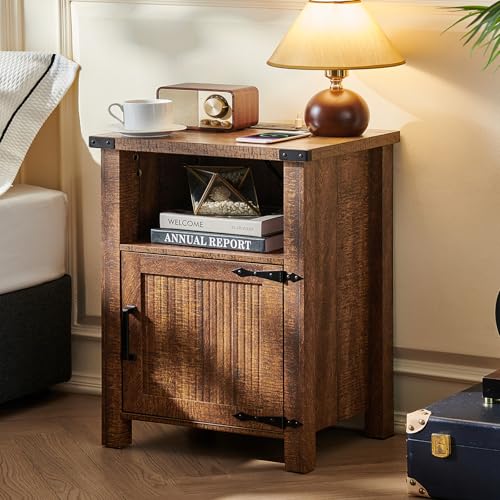
Most reclaimed wood dressers ship with black iron hardware because it’s the obvious pairing — it leans into the rustic palette and feels safe for the manufacturer. But black iron is exactly the hardware choice that pushes the piece toward “rustic theme” rather than “warm, organic room.”
Swapping drawer pulls to brushed brass or unlacquered brass instantly shifts the dresser into a more elevated register. Brass reads warm without reading country. It connects to the yellow undertones already present in most reclaimed wood without matching them too literally. If the dresser has a more weathered grey-silver tone, warm satin nickel works equally well and keeps the palette cool without going cold.
This is a fifteen-minute upgrade that costs less than the price of a nice throw pillow, but the visual payoff is enormous. When you’re photographing a product listing online, ignore the hardware shown — factor in the swap before you decide the piece isn’t working for your room.
Key Takeaway: Replacing stock black iron hardware with brushed brass or satin nickel pulls is the fastest way to move a reclaimed wood dresser from rustic-theme to warm-organic.

Reclaimed Wood Nightstands: What to Look for in a Real Piece
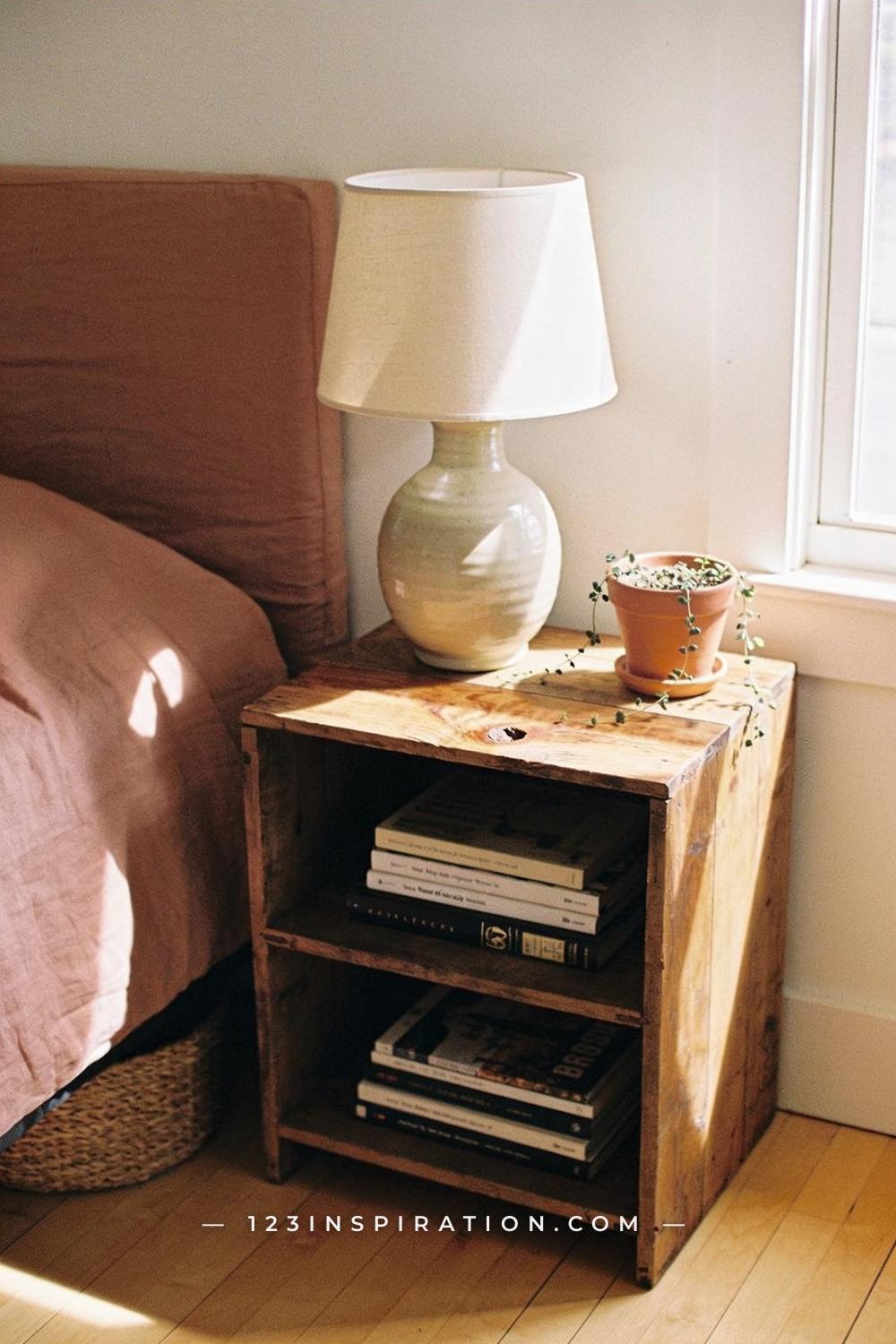
When a product listing calls something “reclaimed wood,” it can mean several things: genuine salvaged barn board, reclaimed timber milled and re-dried into flat panels, or more often, wood that’s been distressed and treated to look reclaimed. None of these is inherently bad — the question is what you’re getting for the price and whether the character in the piece is real or printed.
Signs of genuine or high-quality reclaimed construction: visible saw-cut variations across the surface (not uniform repeated pattern), real knots that go through the wood rather than sitting on top, slight dimensional variation in plank thickness rather than a perfectly flat factory finish, and weight. Reclaimed wood furniture is almost always heavier than its particleboard or MDF counterparts.
For nightstands specifically, open-shelf configurations tend to showcase reclaimed wood better than fully paneled pieces — the open space lets you see the joinery and the depth of the shelves, which is where real reclaimed texture reveals itself most convincingly.
Key Takeaway: Look for saw-cut variation, real knots, and above-average weight as reliable signals that the “reclaimed look” is genuine and not just a printed surface.
Matching a Reclaimed Wood Dresser to Your Room’s Undertone
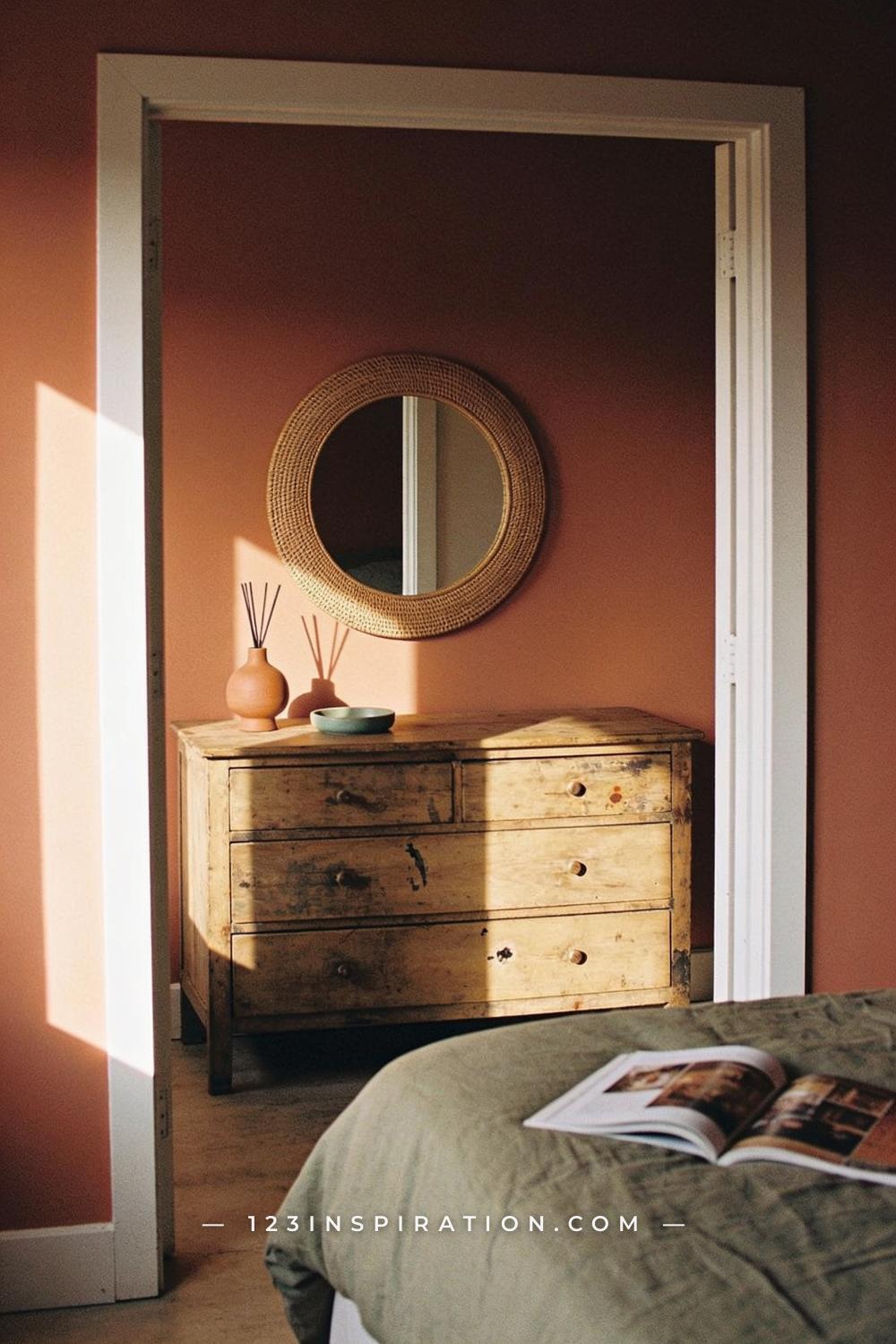
Reclaimed wood comes in a wide range of undertones — amber and honey, grey-silver weathered tones, deep brown-black charred finishes, and warm tan mid-tones. Matching the furniture’s undertone to your wall paint undertone is one of the most underrated decisions in bedroom decorating, and getting it wrong is the most common reason a beautiful piece still looks off in the room.
Warm amber and honey reclaimed wood (common in pine and elm salvage) pairs beautifully with walls in warm white, pale terracotta, soft ochre, or dusty blush — any paint with a yellow, orange, or red base note. Grey-silver reclaimed wood works best against cooler pale greens, soft blue-greys, or warm white with green undertones. When the wood and wall tones fight each other, the room looks “busy” even when the furniture is simple.
Pull a single plank from the piece (or look at the online photos in different light conditions) and identify whether the wood reads warm or cool before choosing your wall paint. Benjamin Moore’s White Dove (OC-17), with its warm ivory base, is a near-universal safe pairing for amber-toned reclaimed pieces.
Key Takeaway: Matching wall undertone to wood undertone — warm-to-warm or cool-to-cool — is the single most impactful styling decision for a reclaimed wood bedroom, and it costs nothing to get right.

The Best Reclaimed Wood Dresser for a Small Bedroom
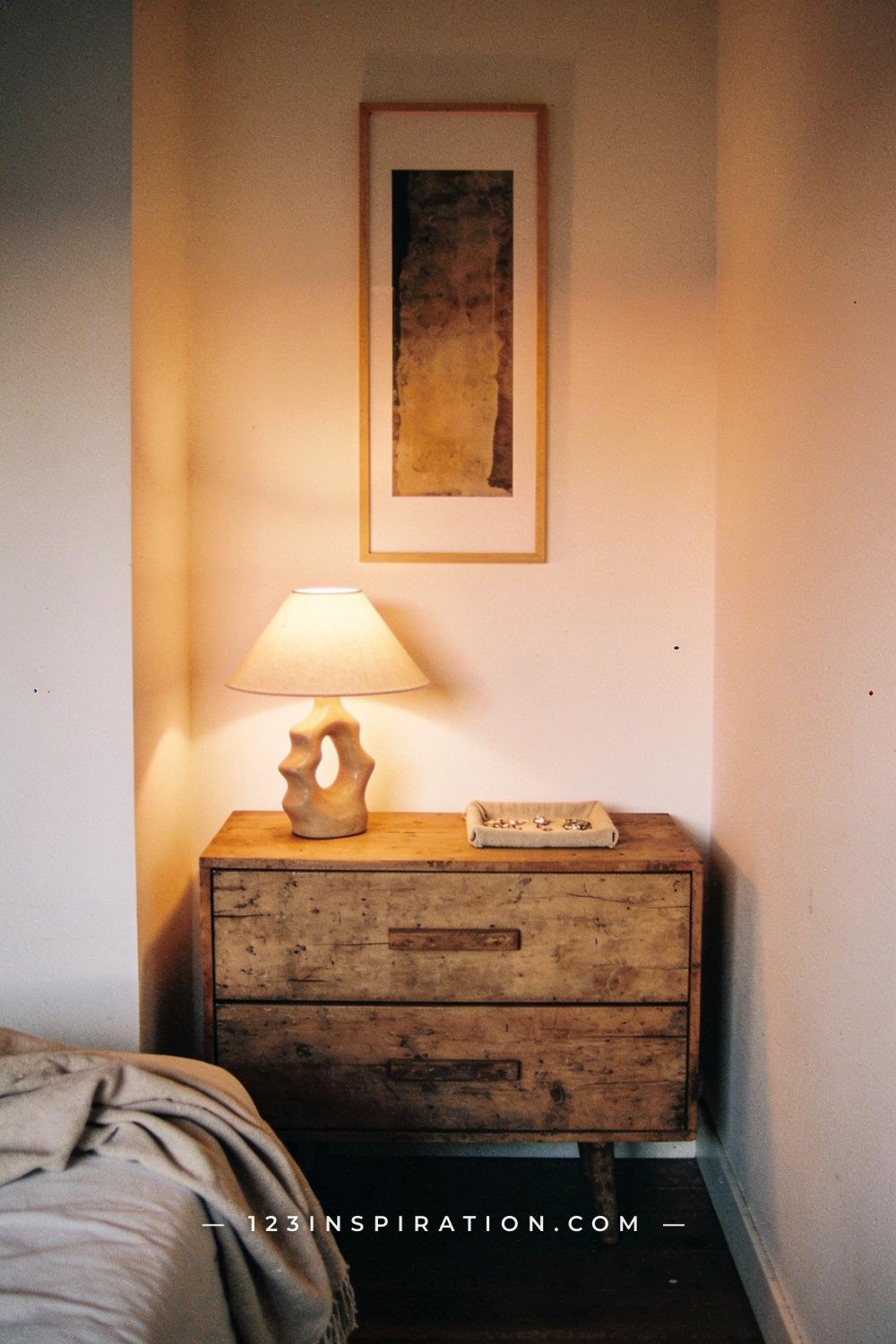
In a small bedroom, the standard six-drawer tall dresser eats the room. A reclaimed wood piece at lower height — think four drawers in a wide, low-slung configuration rather than six drawers stacked tall — does two useful things simultaneously: it keeps the visual weight of the furniture below eye level, and it gives you a usable surface without the bedroom feeling like a furniture showroom.
Width matters more than height for small room storage. A 48-inch wide, 34-inch tall dresser holds roughly the same volume as a narrower six-drawer unit but distributes that volume horizontally, which reads more open in a small space. Pair it with a vertically oriented piece of wall art hung directly above to create the visual height the furniture doesn’t provide.
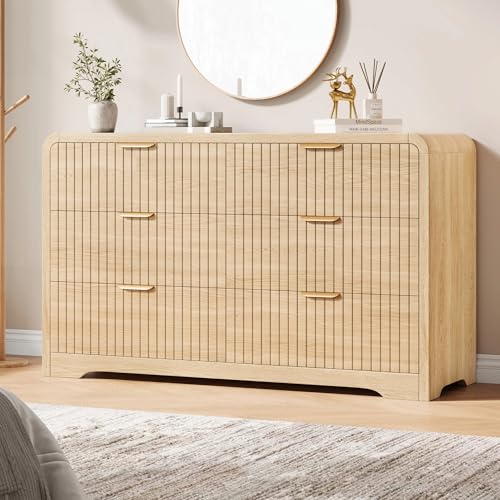
Christopher Knight Home’s Sierra reclaimed-look dresser and several Trent Austin Design options on Wayfair fall into this configuration, offering the low-profile, wide-form proportions that work in tight rooms without sacrificing storage.
Key Takeaway: Choose a wide, low-profile configuration over a tall dresser in small bedrooms — the horizontal distribution of visual weight keeps the room feeling open while delivering equal storage volume.
Nightstand Height and the One Measurement That Changes Everything
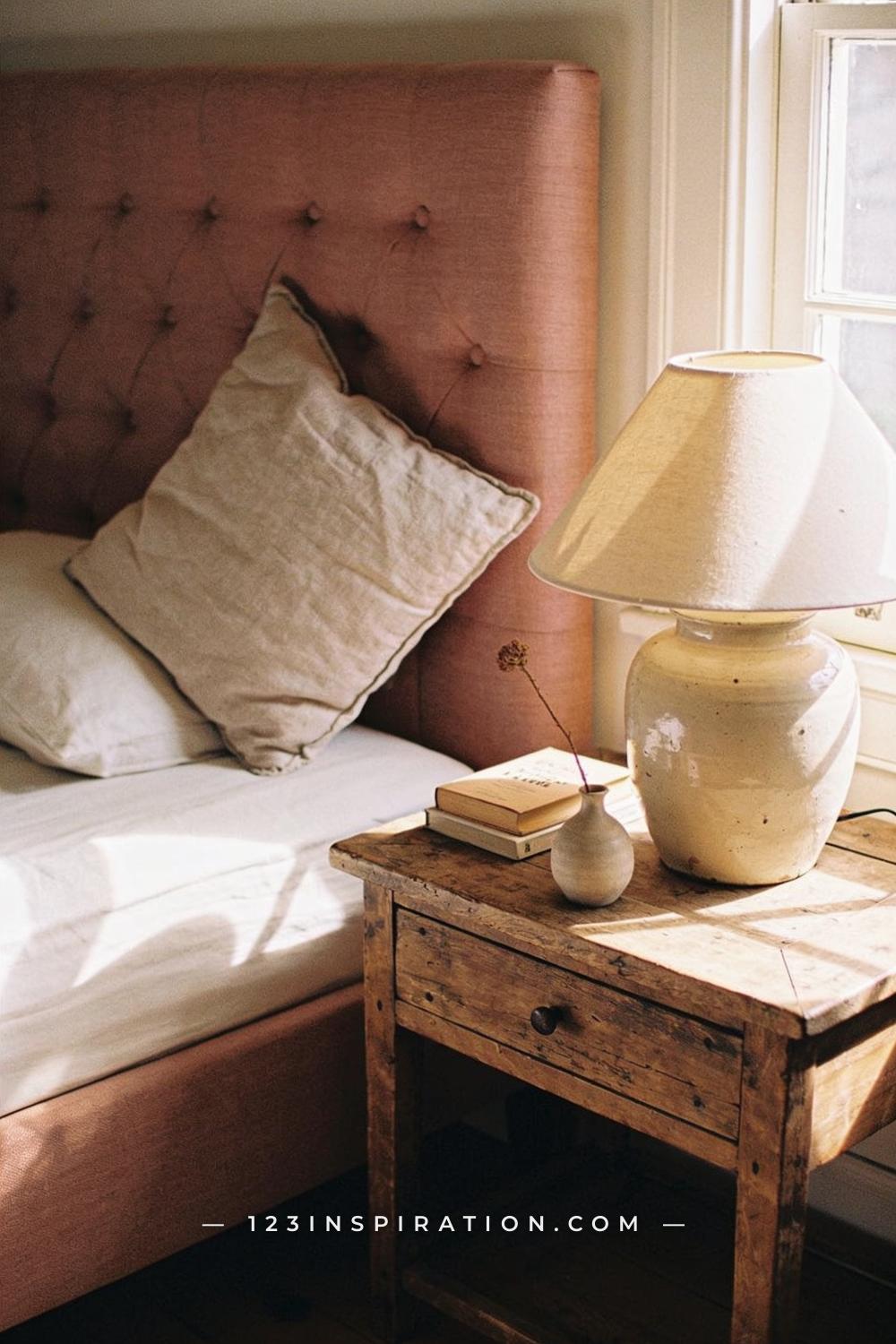
The number most people ignore when buying nightstands: the distance from your finished floor to the top of your mattress. Your nightstand surface should sit within one to three inches of that measurement — above or below. When the nightstand surface sits significantly lower than the mattress, the lamp light falls below eye level when you’re lying down. When it sits significantly higher, reaching for your phone at midnight involves an awkward upward stretch.
Measure your floor-to-mattress height before you buy anything. Most platform beds sit around 24–26 inches from floor to mattress top; traditional box spring setups reach 28–32 inches. Most standard nightstands run 24–28 inches tall, which means platform bed buyers need to look specifically at taller nightstand options or pair a lower nightstand with a taller lamp.
Reclaimed wood nightstands tend to run slightly taller than their contemporarily-styled counterparts because the furniture category emerged from a farmhouse tradition of taller tables. That actually makes them a natural fit for classic bed heights — check measurements before assuming any reclaimed piece is too tall or short.
Key Takeaway: Measure your floor-to-mattress distance and target a nightstand within 1–3 inches of that measurement — this single number determines whether the piece is functional or just good-looking.

How to Style the Top of a Reclaimed Wood Dresser Without Overcrowding
Weekly Inspiration
1000 ideas, one home at a time
The dresser top is where most reclaimed wood rooms fall apart. Because the surface is beautiful, the impulse is to display things on it — and then more things, and then a few more. Within a season, the top of a genuinely lovely piece disappears under a gallery of objects that collectively make it look like a flea market surface rather than an intentional vignette.
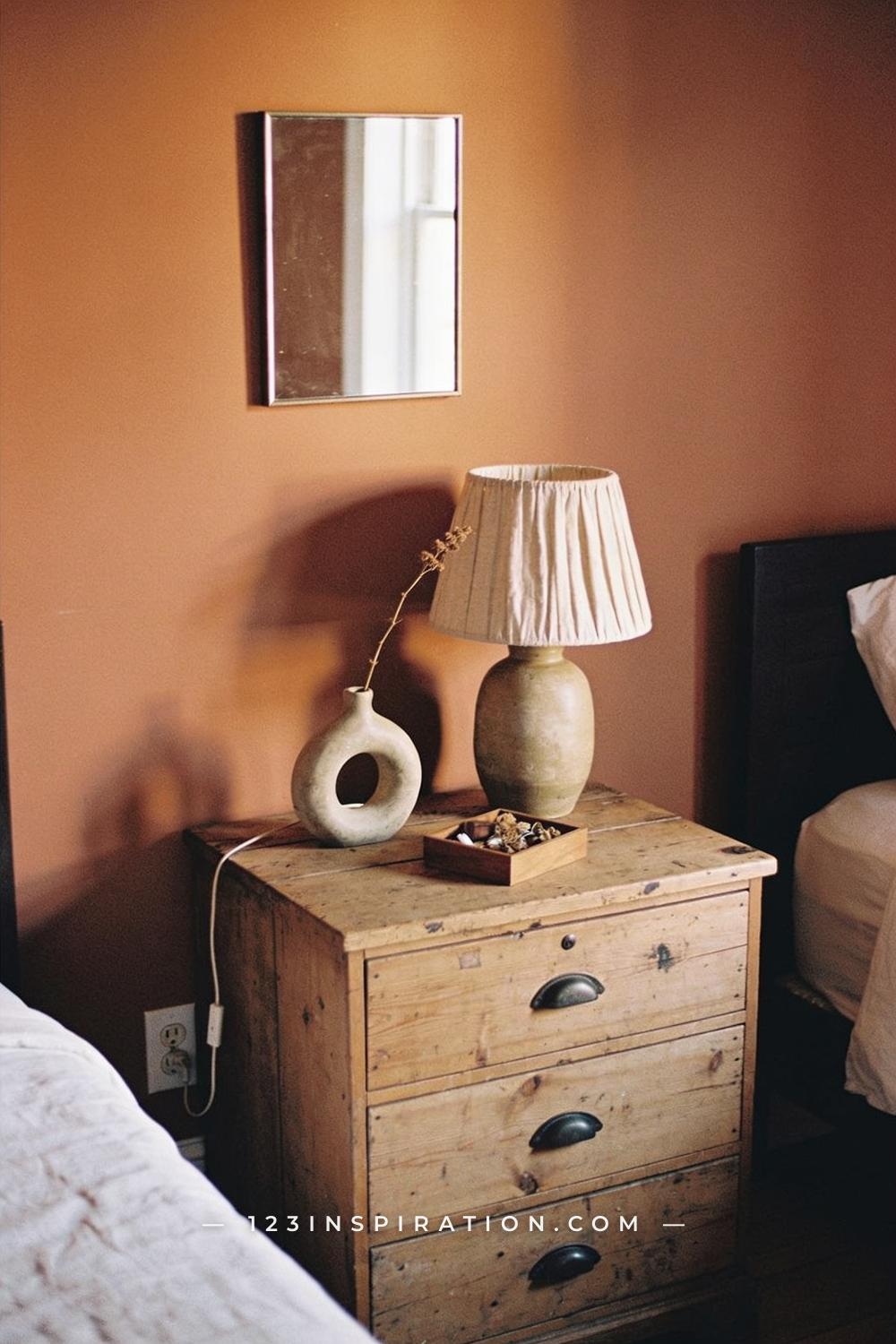
The rule that consistently works: three anchoring objects maximum, with one providing height (a lamp or tall vessel), one providing utility-signal (a tray or small dish that gathers smaller items into a single visual unit), and one providing organic texture (a planter, a dried stem arrangement, or a woven object). Everything else lives in a drawer.
The negative space between those three objects is doing as much visual work as the objects themselves. When you can see the wood grain between your styling pieces, the dresser surface reads as curated. When objects touch edge to edge across the whole surface, it reads as cluttered regardless of how individually nice each item is.
Key Takeaway: Limit dresser top styling to three anchoring objects — one with height, one as a gathering tray, and one organic texture element — and let negative space between them show the wood grain.

Pairing Reclaimed Wood with Upholstered Furniture for a Balanced Room
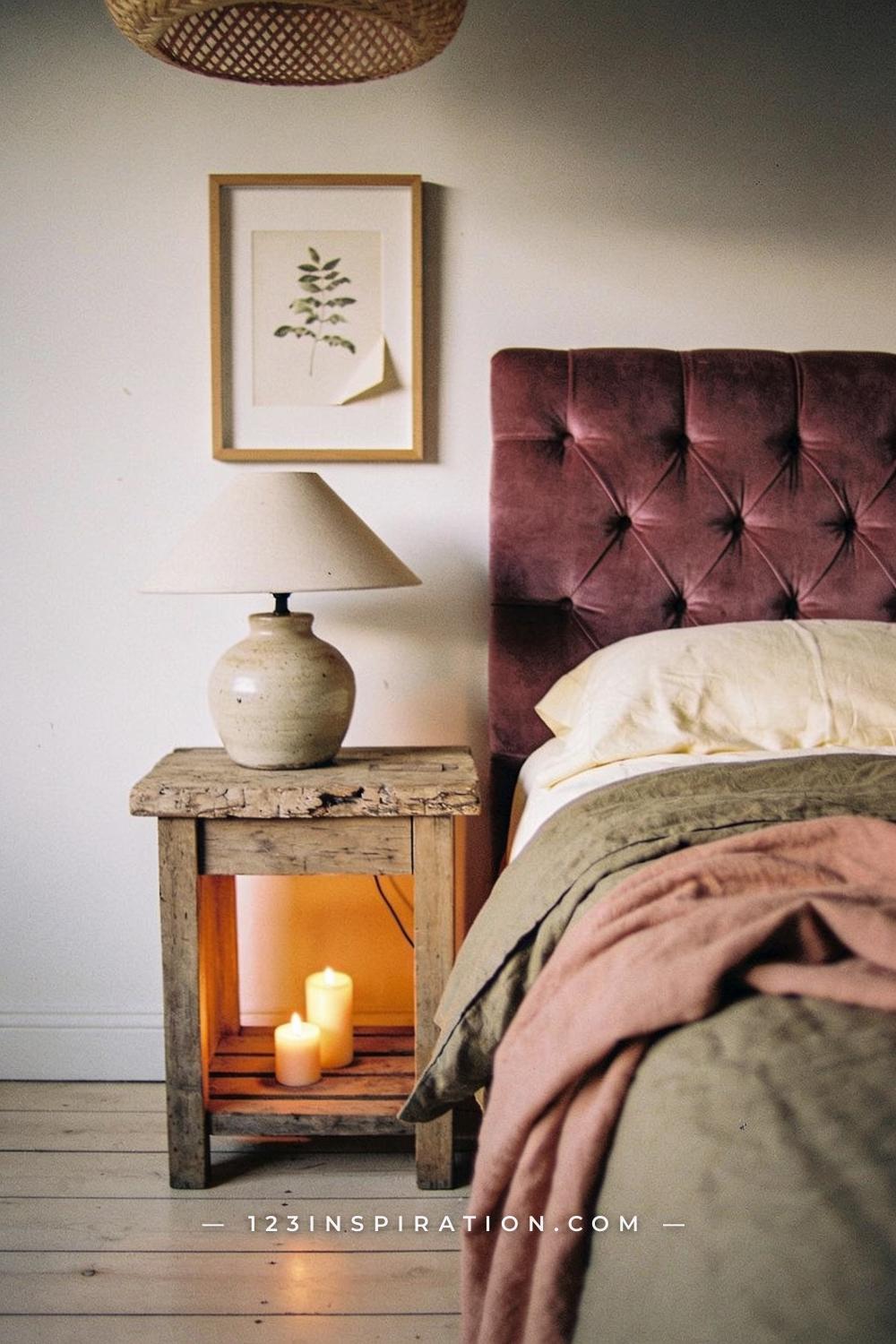
Reclaimed wood and upholstery are each other’s best friends in a bedroom — but only when the upholstery is chosen to complement the wood tone rather than compete with it. The texture contrast between rough, natural wood grain and smooth or tufted fabric is precisely what elevates both materials. The wood looks more organic beside something soft; the upholstery looks more intentional beside something structural.
Color is the variable that determines whether the pairing works. Deep dusty plum, sage green, or warm blush upholstery all pull warmth out of reclaimed wood tones in a way that cool grey or bright white cannot. A plum velvet headboard against a warm brown reclaimed nightstand creates a jewel-box warmth that reads sophisticated and editorial. A cool ivory headboard against that same nightstand creates a contrast that can read stark.
The goal is to have the upholstered and wood pieces feel like they belong in the same warm world — not like the wood wandered in from a different room. Choose bedding and headboard fabrics in muted, earthy, or jewel-toned versions of your palette; avoid high-contrast white or grey upholstery beside warm amber wood tones.
Key Takeaway: Pair reclaimed wood with upholstered pieces in dusty plum, sage green, or warm blush tones — the muted warmth of these colors draws out the best in amber and honey wood undertones.

When to Choose a Two-Nightstand Set vs. Mixed Pieces
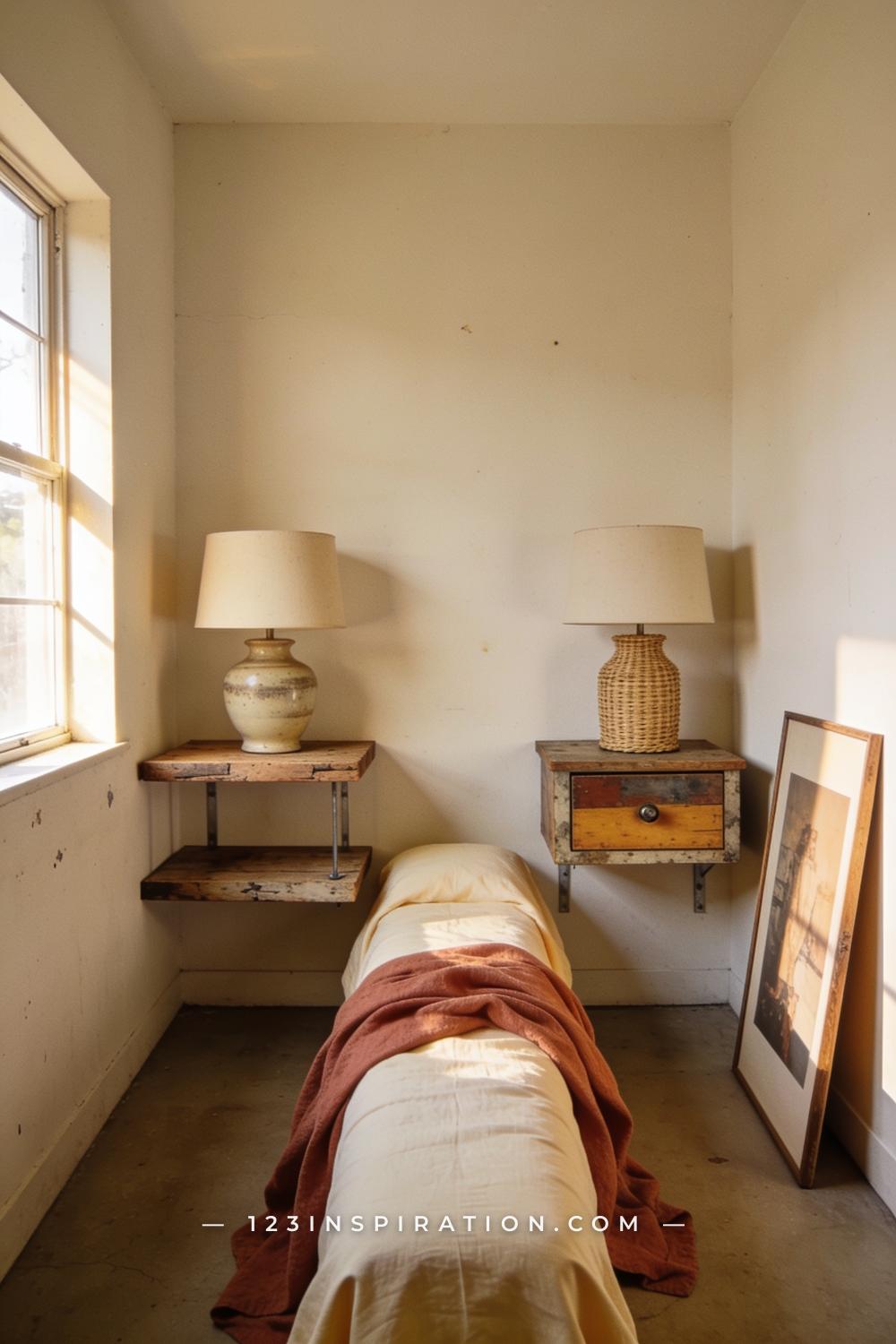
The matched set is the safe choice and usually the right one for buyers who want a room that feels finished quickly. Two identical reclaimed wood nightstands flanking a bed create symmetry that makes the room feel deliberate and grounded, even when everything else in the room is still a work in progress. For Maya’s stage — first real bedroom she’s pulling together — this is often the most confident-looking starting point.
But intentionally mismatched nightstands are also having a moment, and when done right they look more interesting than a matched set. The rule for mixed nightstands: both pieces should share the same wood tone family (both warm amber, or both grey-weathered), but can differ in height, configuration, and hardware. The lamps on each side should also be different — not wildly different, but meaningfully different. One ceramic, one rattan. One with a drum shade, one with a tapered shade.
Where this breaks down is when the two pieces share no visual language at all — one piece rustic and heavy, one modern and floating. Without a tonal or material thread connecting them, the room reads as unfinished rather than curated-eclectic.
Key Takeaway: Mismatched nightstands work when both pieces share the same wood tone family; the intentional asymmetry reads as curated rather than accidental when connected by material, not by configuration.

The Reclaimed Wood Dresser as an Entryway Console Piece
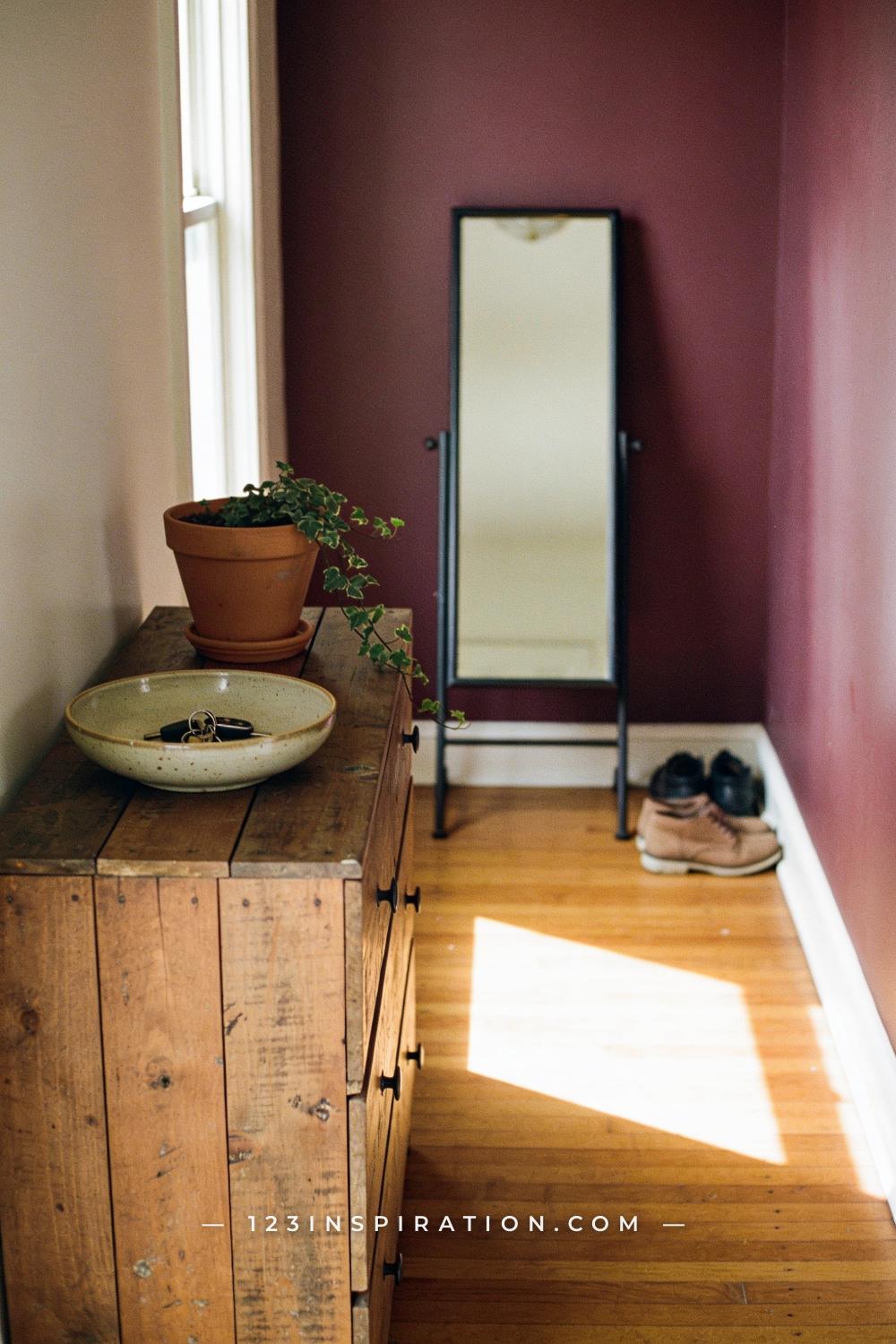
A reclaimed wood dresser doesn’t have to live in the bedroom. One of the most underused moves in small apartments and townhouses: treating a reclaimed wood three- or four-drawer dresser as the main entryway console. The storage capacity is far superior to anything sold as an “entryway table,” the price-per-square-foot of storage is lower, and the visual warmth of reclaimed wood is an ideal material for a foyer where you want guests to feel immediately welcomed.
Style the top surface the same way you would a bedroom dresser — three objects maximum, one with height, one as a gathering point for keys and mail, one organic texture element. A slim leaning mirror above it rather than a hung mirror keeps the installation commitment-free for renters.
The caveat: measure your entryway carefully. Most dressers run 36–54 inches wide and 18–20 inches deep. In a narrow hallway under 36 inches wide, a full dresser blocks traffic flow. In that case, look for a tall two-drawer nightstand — used as a narrow accent piece — rather than forcing a full dresser into a tight space.
Key Takeaway: A reclaimed wood dresser repurposed as an entryway console delivers far more storage than a dedicated entryway table, and the material warmth makes it the most welcoming first impression in a home.

Caring for Reclaimed Wood Furniture Without Wrecking the Surface

Reclaimed wood furniture often has a more porous, less-sealed surface than new manufactured wood, and the care protocol is different — and simpler — than most people assume. The main enemies are standing moisture (water rings from glasses, spilled water sitting on the surface), direct heat, and silicone-based furniture polish. All three damage the finish in ways that are difficult to reverse.
For regular maintenance: a slightly damp cloth followed immediately by a dry cloth is all you need for weekly dusting and cleaning. For surface conditioning two to three times a year, a food-grade mineral oil or a purpose-made beeswax furniture conditioner keeps the wood from drying out and maintains the depth of the grain’s natural color. Apply with a lint-free cloth, let it soak for twenty minutes, and wipe off the excess.
Avoid spray-on furniture polishes that contain silicone — they create a buildup layer that initially makes the surface look shiny, but after a few applications seals the wood’s pores and makes re-conditioning effectively impossible without stripping the finish entirely.
Key Takeaway: A food-grade mineral oil or beeswax conditioner applied two to three times a year is all reclaimed wood furniture needs to maintain its surface — skip silicone polishes entirely.

Where to Find Authentic Reclaimed Wood Furniture at a Real-World Budget
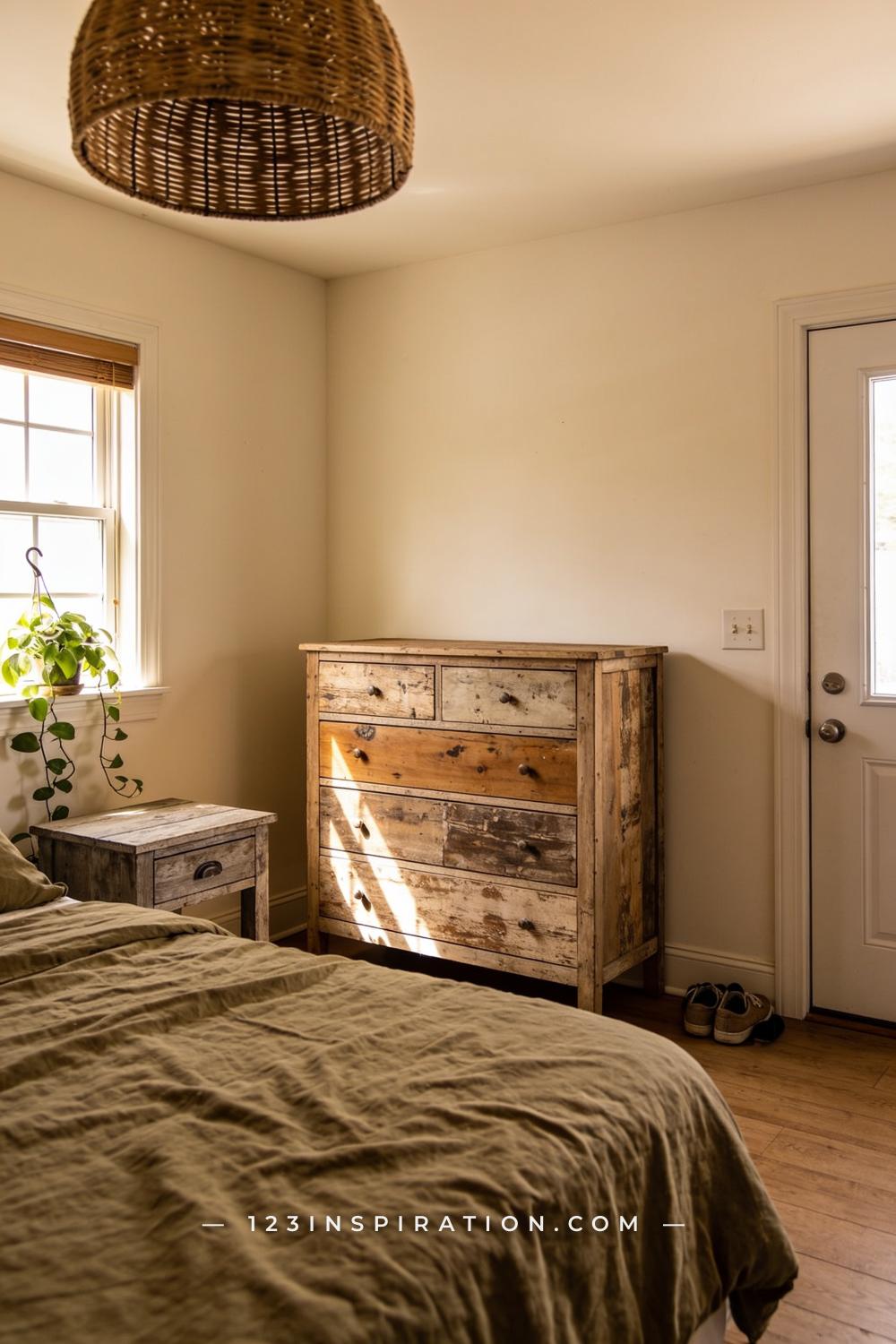
Genuine reclaimed wood furniture from a boutique maker can run thousands per piece — and it’s worth it if you’re building a forever room. But for most buyers at Maya’s stage, a “reclaimed look” piece from a reputable mid-range brand at a real-world budget is not a compromise; it’s a sensible decision while the rest of the room comes together.
Amazon, Wayfair, and Target all carry reclaimed-look pieces from brands like Signature Design by Ashley, Christopher Knight Home, and Trent Austin Design that use real wood with distressed and character-enhanced finishes. These pieces won’t have the same material depth as genuine salvage, but at one-quarter the price they allow you to build the aesthetic now and upgrade individual pieces as the budget allows.
The key is buying strategically: invest in genuine reclaimed for the piece with the most surface area visible — usually the dresser. Save on the nightstands. The dresser is what reads as the room’s anchor; the nightstands are supporting players, and the quality gap is less perceptible at smaller scale.
Key Takeaway: Prioritize genuine or high-quality reclaimed construction for the dresser — the room’s largest visible surface — and use budget-friendly reclaimed-look nightstands as supporting pieces while you build the room over time.

Reclaimed wood nightstands and dressers are among the most forgiving furniture investments you can make in a bedroom — not because they’re easy, but because the material’s natural variation gives you genuine room to grow. The key decisions that determine whether a room looks sophisticated or cluttered come down to a few consistent principles: keep rustic signals isolated to the furniture itself, let contrasting refined materials and colors do the work around it, and resist the urge to fill every surface.
Start with the dresser — it’s the highest-impact piece and the one where genuine reclaimed construction makes the biggest visible difference. Get the wall undertone right relative to the wood tone. Then let the nightstands and bedding layer in around it at whatever pace the budget allows. A room built slowly with intention always looks better than one assembled all at once in a hurry.